Skip to content
The Philosophy Test

Which philosopher am I?

19 great thinkers, and the one most like you

Some people read Marcus Aurelius and feel he is describing them. Others find their own thoughts in Camus, Laozi or Montaigne. Below are the 19 philosophers the test can match you with, grouped by school. Read about the ones you recognise, or take the free test to find out which philosopher you are most like.

Stoicism
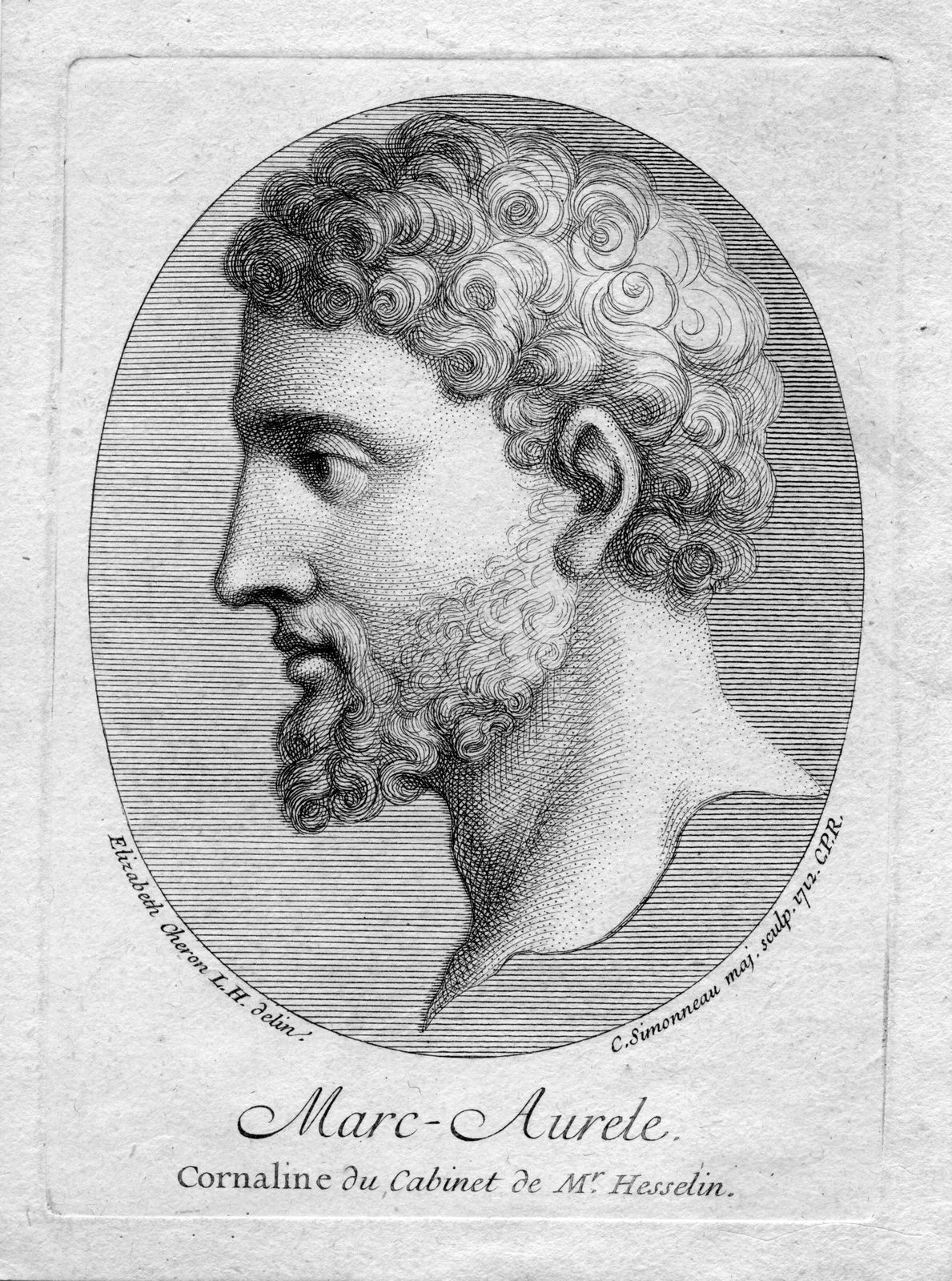
  • Marcus Aurelius (after an antique carnelian), Charles Simonneau, after Élisabeth-Sophie Chéron

    Marcus Aurelius

    The emperor who wrote to himself · 121–180

    Duty without complaint, calm under the heaviest pressure.
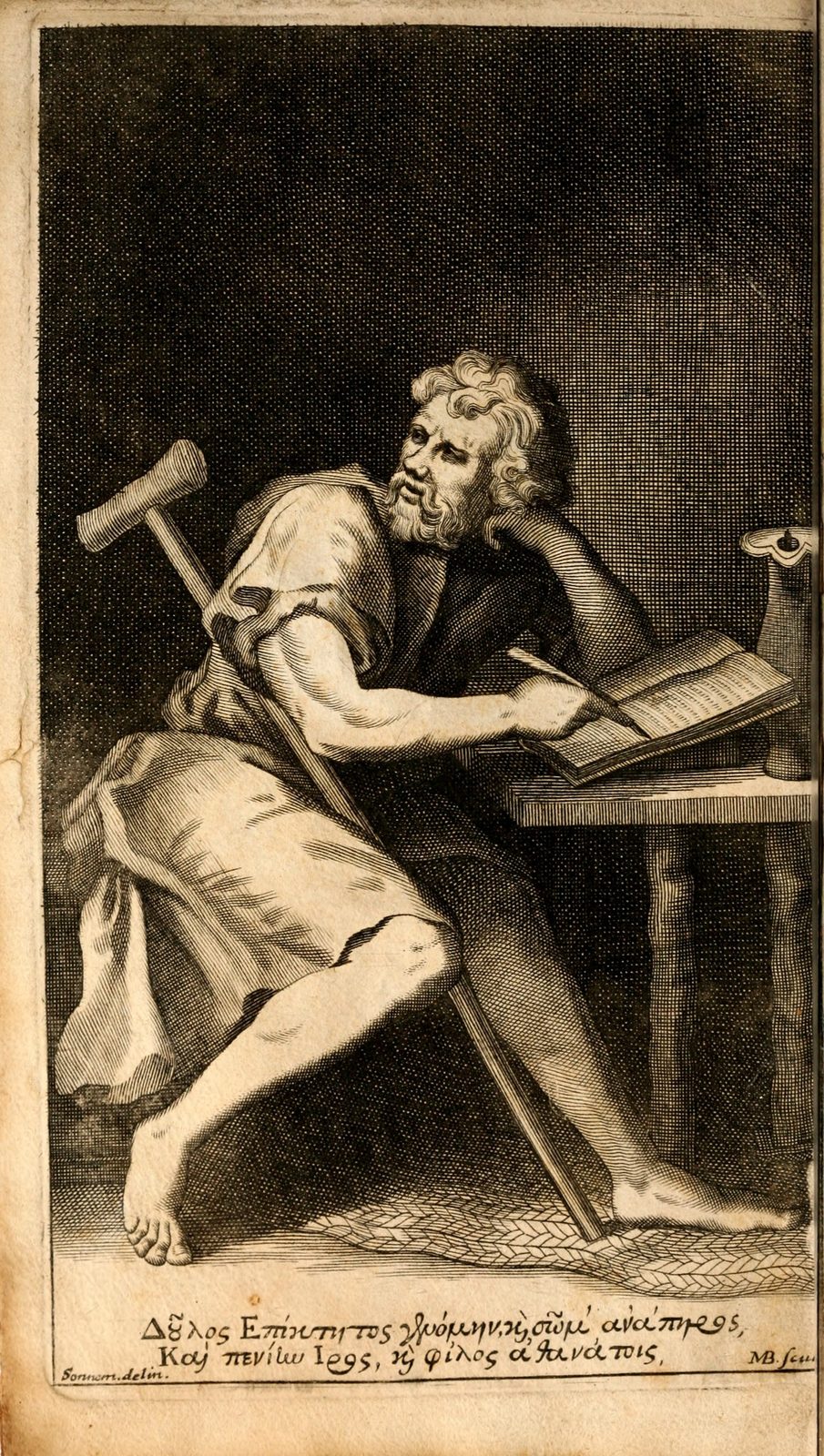
  • Epictetus, frontispiece to Epicteti Enchiridion (Oxford, 1715), William Sonmans (design), Michael Burghers (engraving)

    Epictetus

    The slave who taught freedom · c. 50–135

    Total focus on what is up to you, and nothing else.
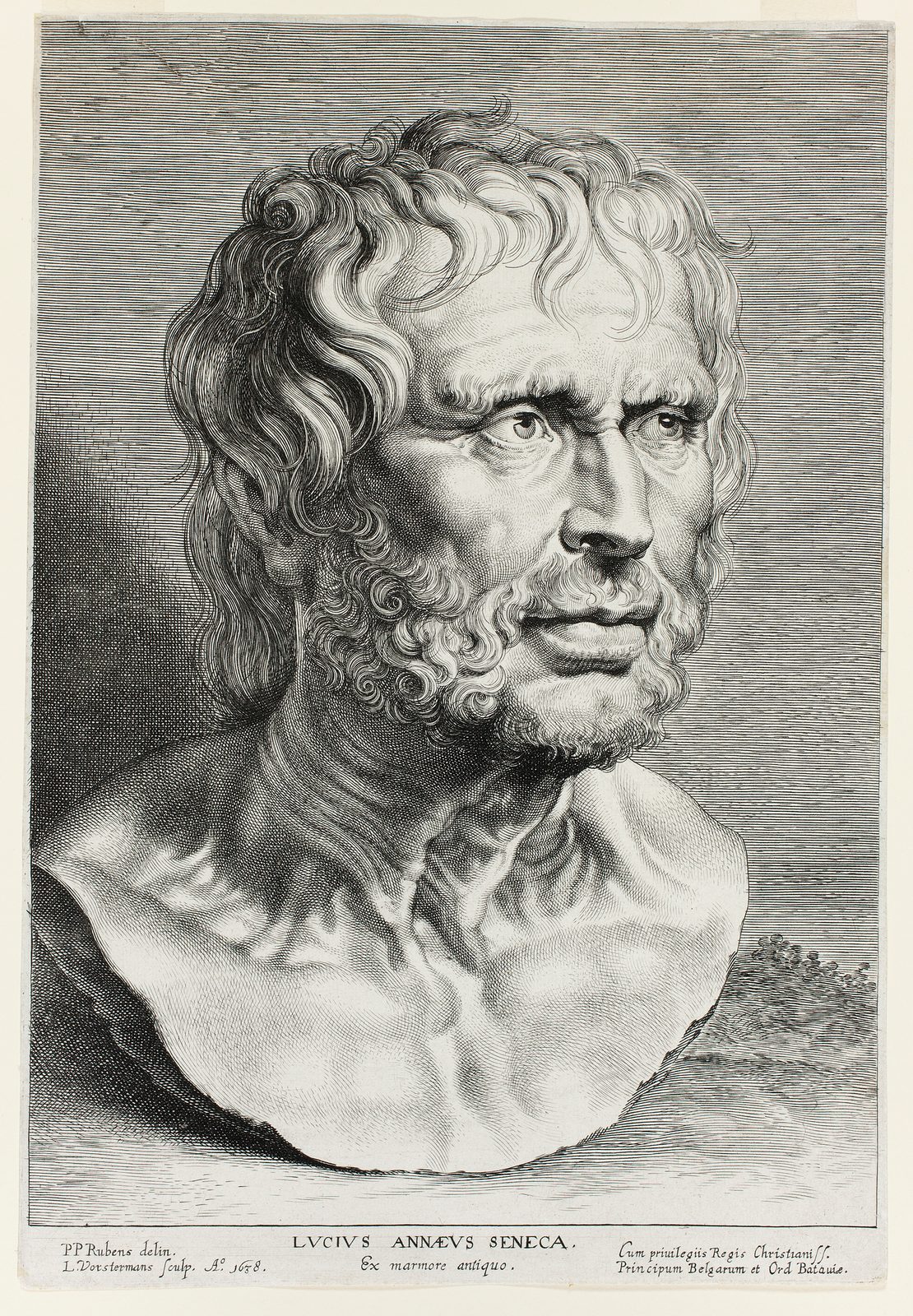
  • Seneca (Pseudo-Seneca bust), Lucas Vorsterman, after Peter Paul Rubens

    Seneca

    The philosopher at Nero's side · c. 4 BC–65 AD

    Stoic ideals lived in a messy, worldly life.

Epicureanism

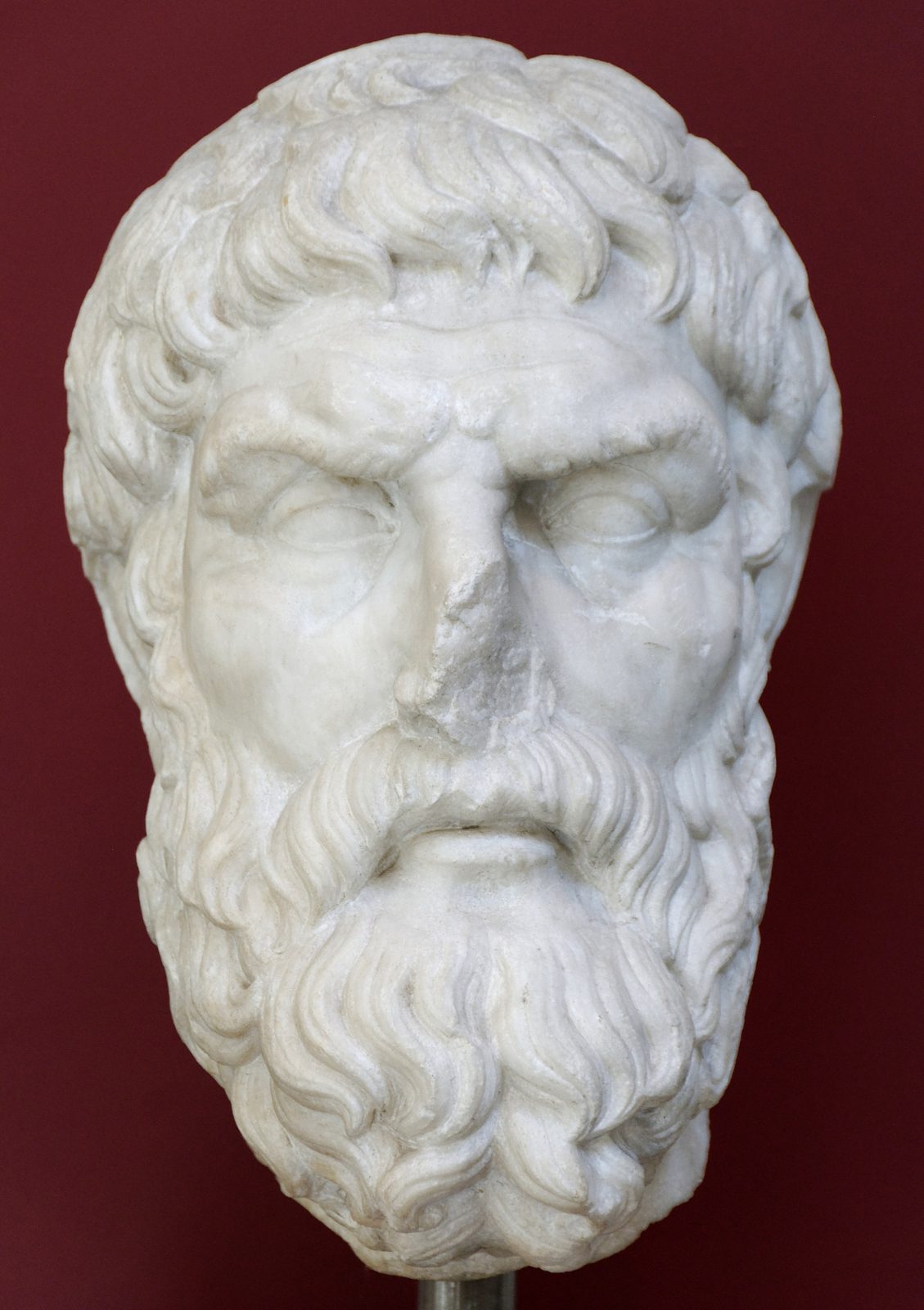
  • Portrait of Epicurus (Roman marble copy, 1st century CE), Unknown Roman sculptor; photo by Marie-Lan Nguyen

    Epicurus

    The gardener of quiet joys · 341–270 BC

    Simple pleasures, close friends, no needless fear.

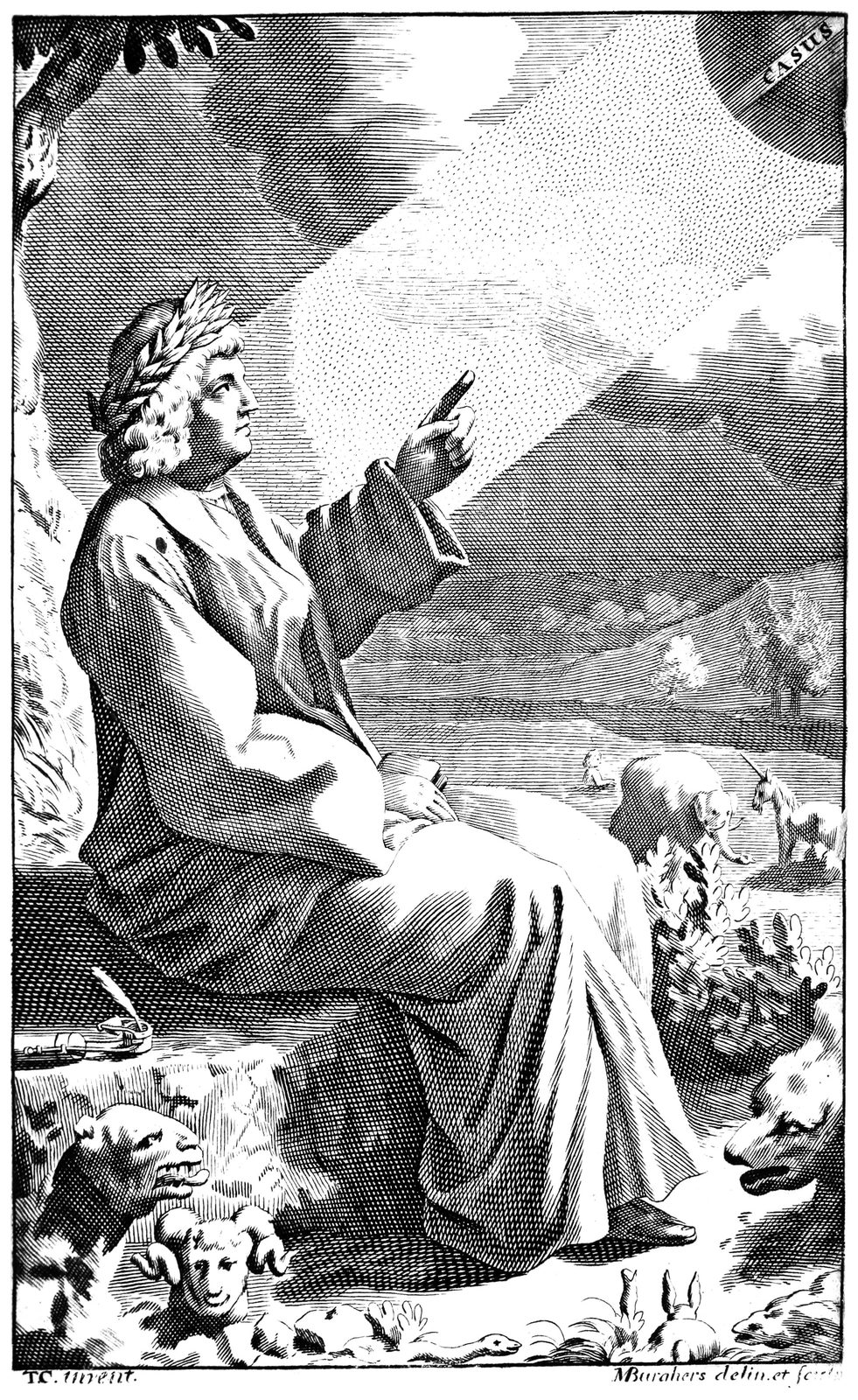
  • Lucretius, frontispiece to T. Lucretius Carus of the Nature of Things (London, 1714), Michael Burghers, after a design by "T. C."

    Lucretius

    The poet who explained the atoms · c. 99–55 BC

    Clear-eyed materialism as a cure for fear.

Existentialism

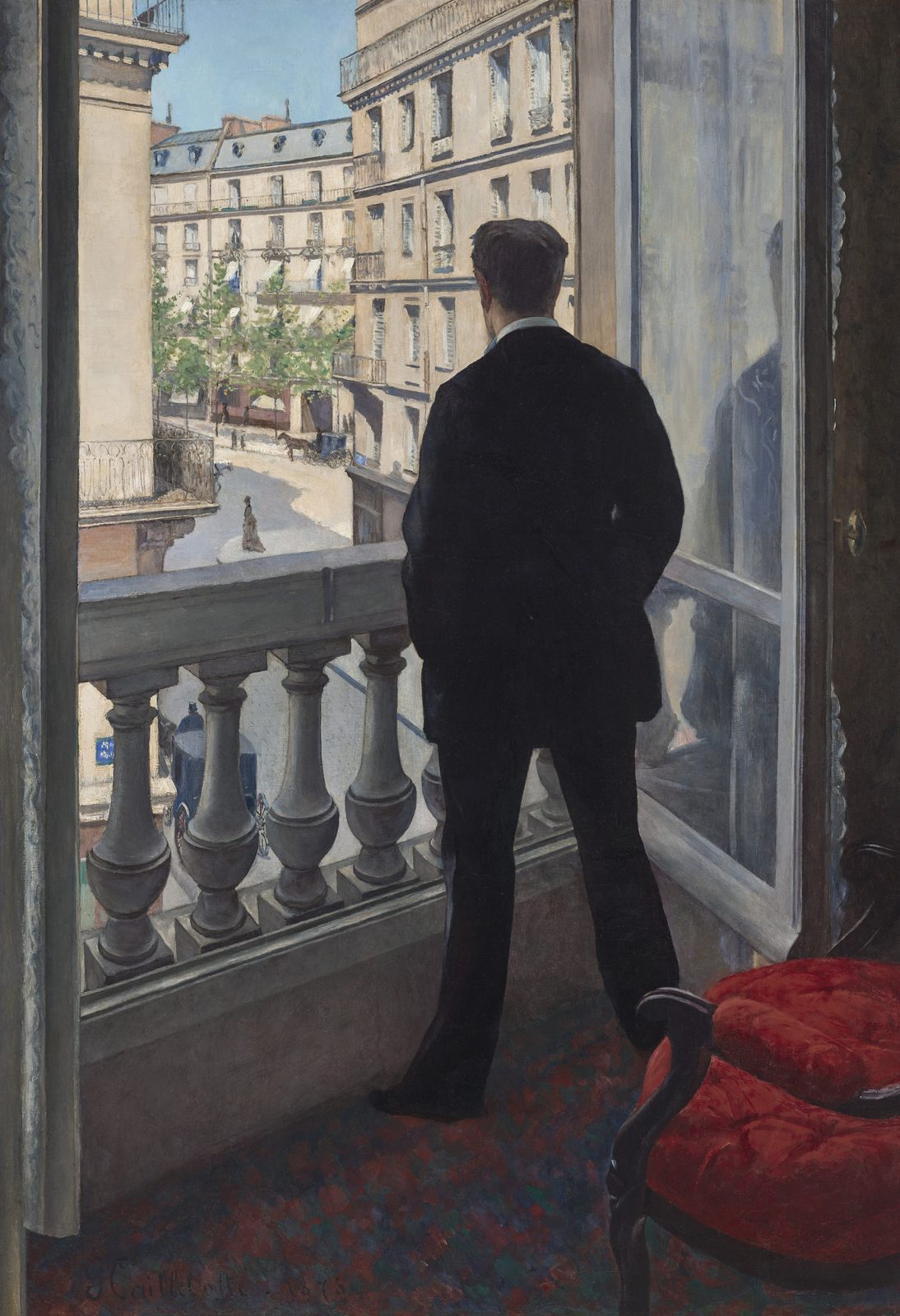
  • Young Man at His Window, Gustave Caillebotte

    Jean-Paul Sartre

    The philosopher who refused the Nobel · 1905–1980

    Radical freedom, and full responsibility for it.
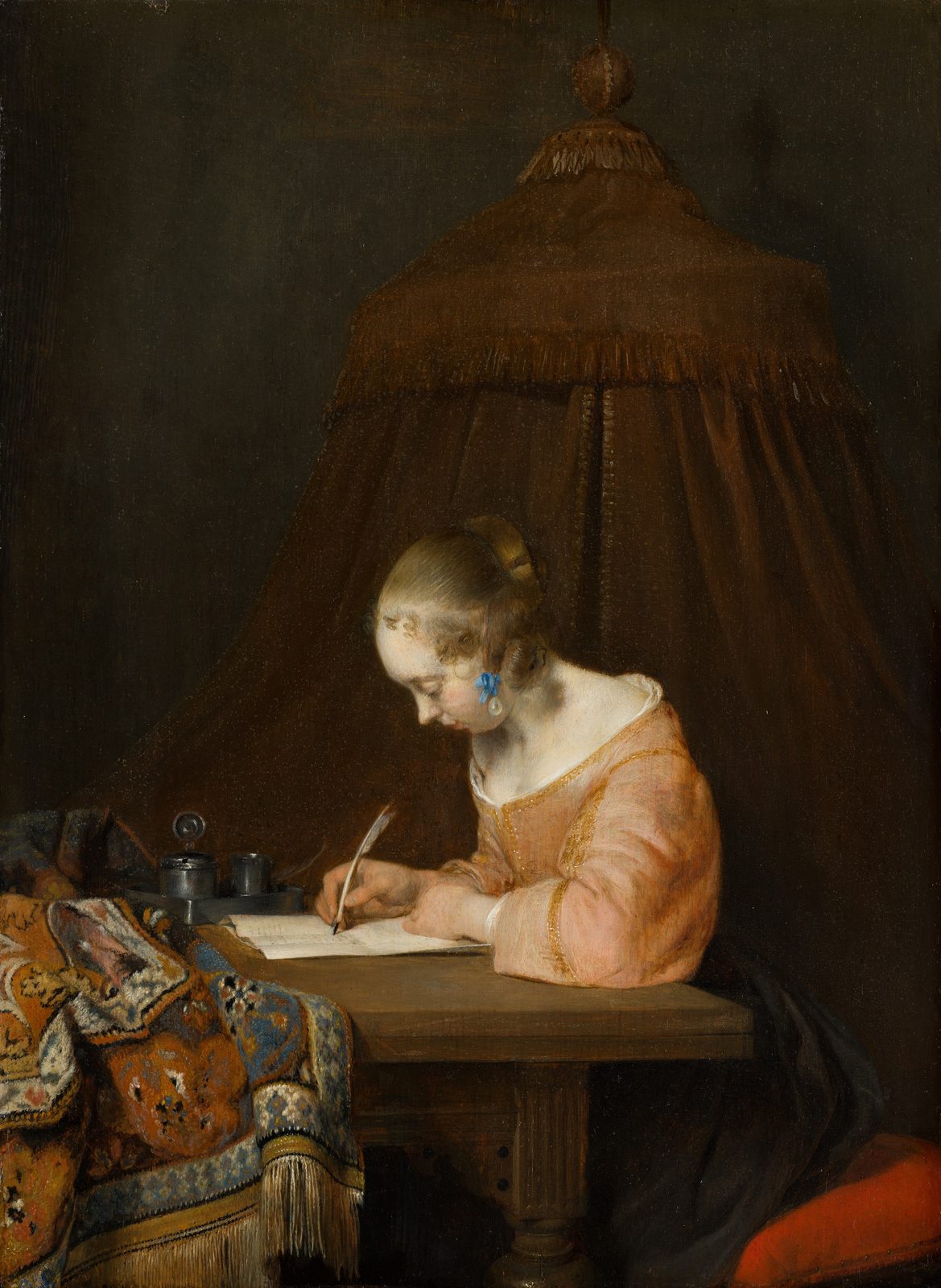
  • Woman Writing a Letter, Gerard ter Borch

    Simone de Beauvoir

    The philosopher of shared freedom · 1908–1986

    Freedom that refuses to stop at yourself.
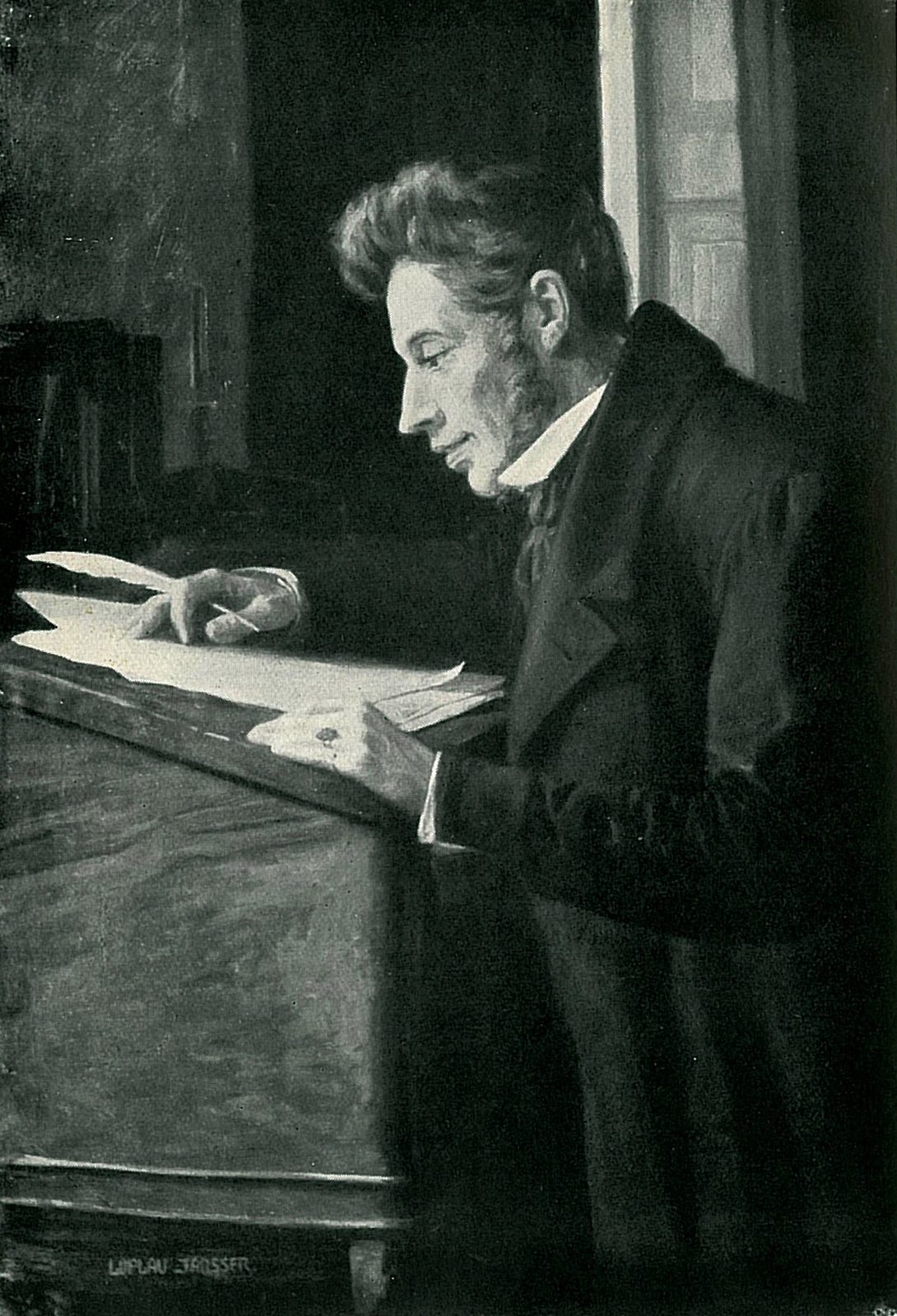
  • Søren Kierkegaard at his High Desk, Luplau Janssen

    Søren Kierkegaard

    The Dane who wrote in disguise · 1813–1855

    Passionate inwardness and the leap of commitment.
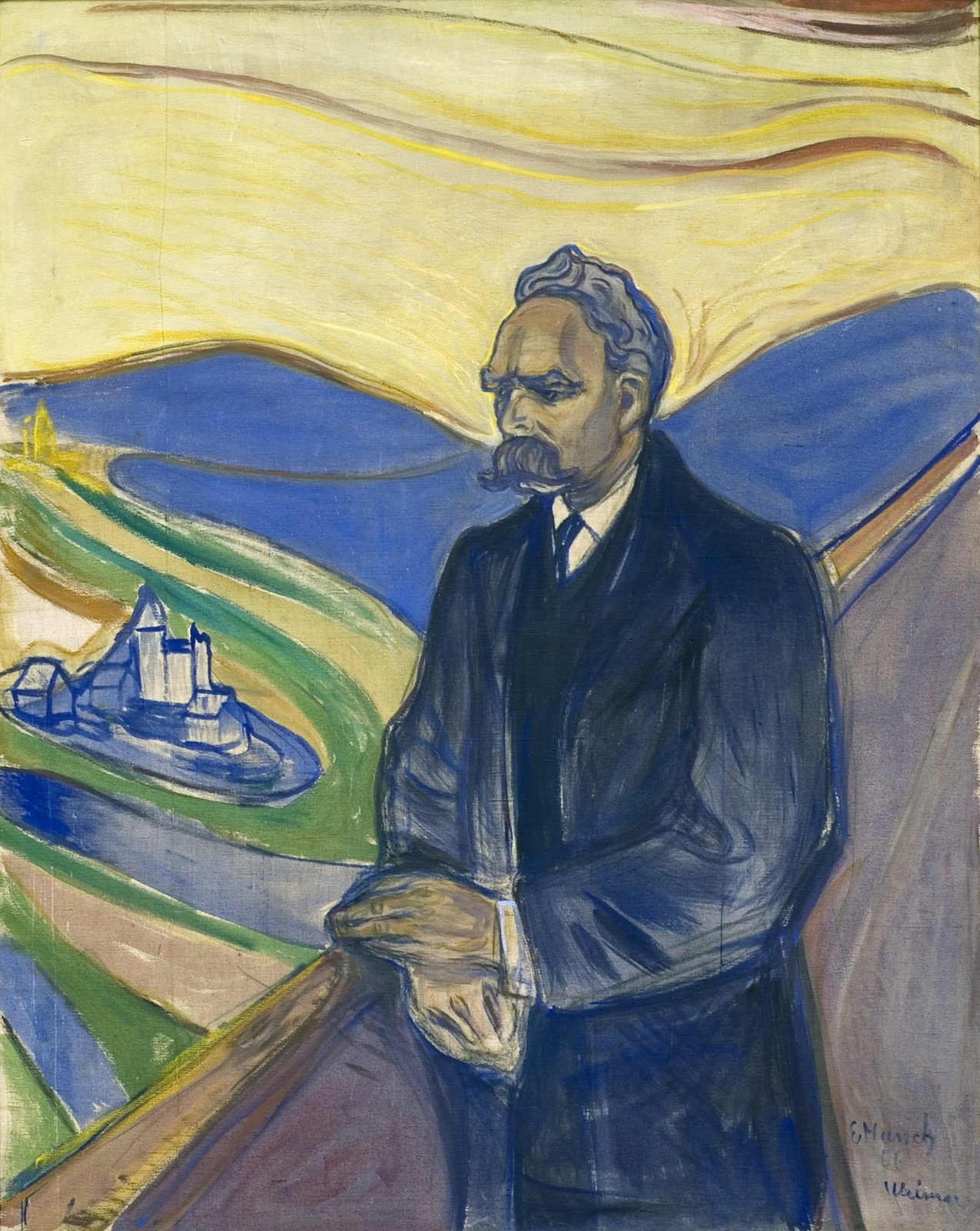
  • Friedrich Nietzsche, Edvard Munch

    Friedrich Nietzsche

    The philosopher with a hammer · 1844–1900

    Saying yes to life, including its pain.

Absurdism

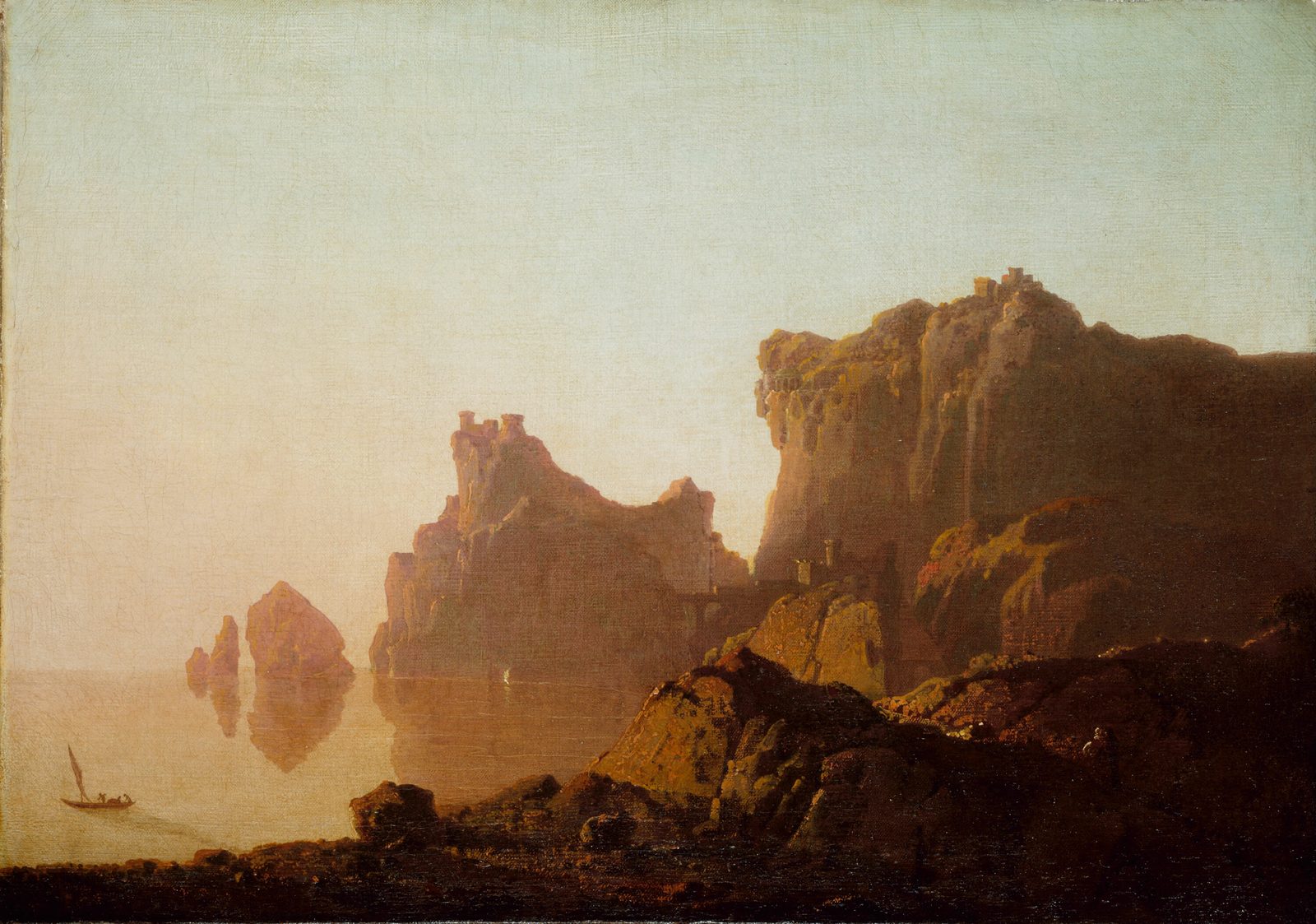
  • The Gulf of Salerno, Joseph Wright of Derby

    Albert Camus

    The rebel from the Algerian sun · 1913–1960

    Living fully in a universe that offers no answers.

Cynicism
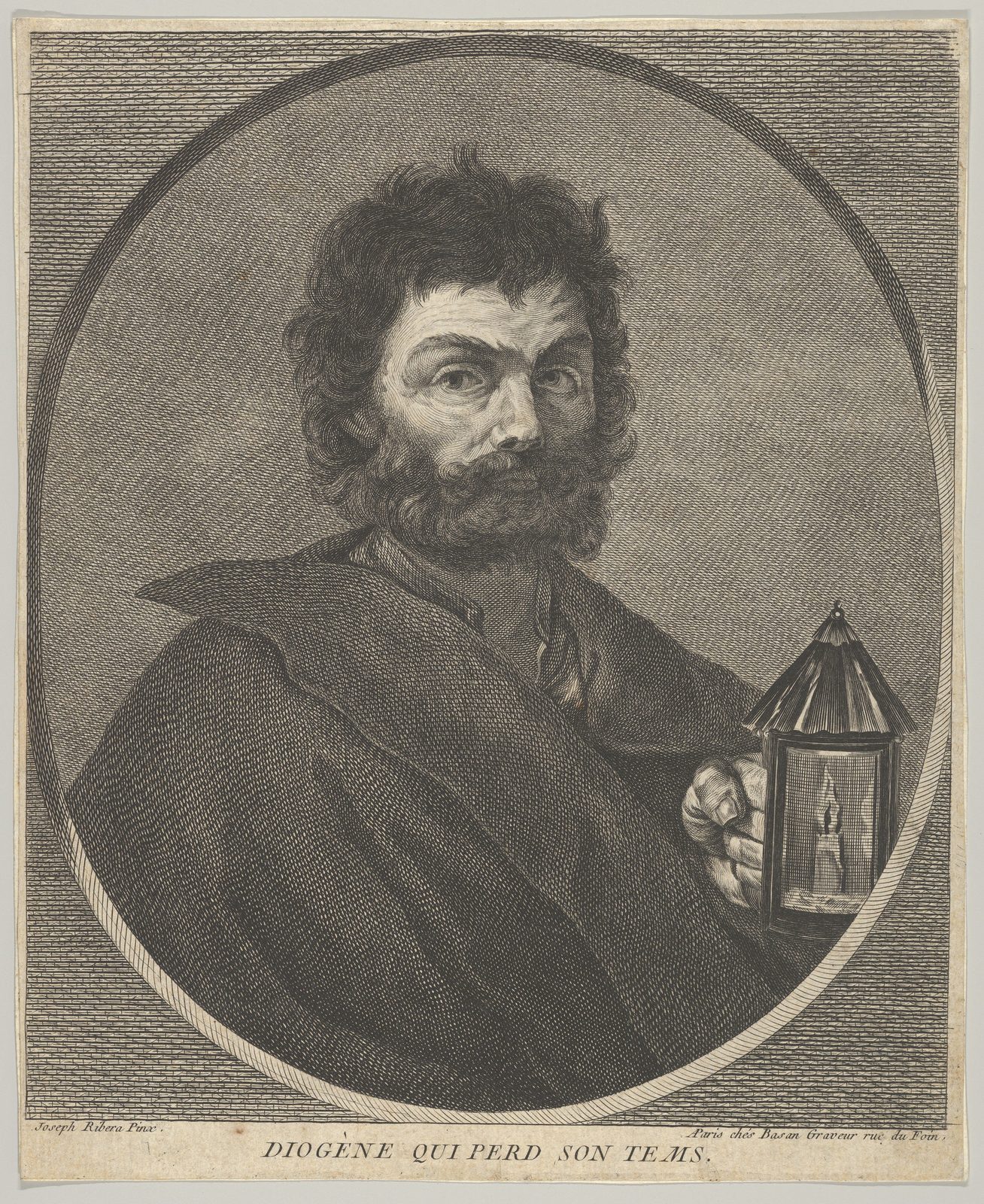
  • Diogenes holding a lantern ("Diogène qui perd son temps"), After Jusepe de Ribera

    Diogenes of Sinope

    The dog in the jar · c. 412–323 BC

    Shameless honesty and freedom from status.

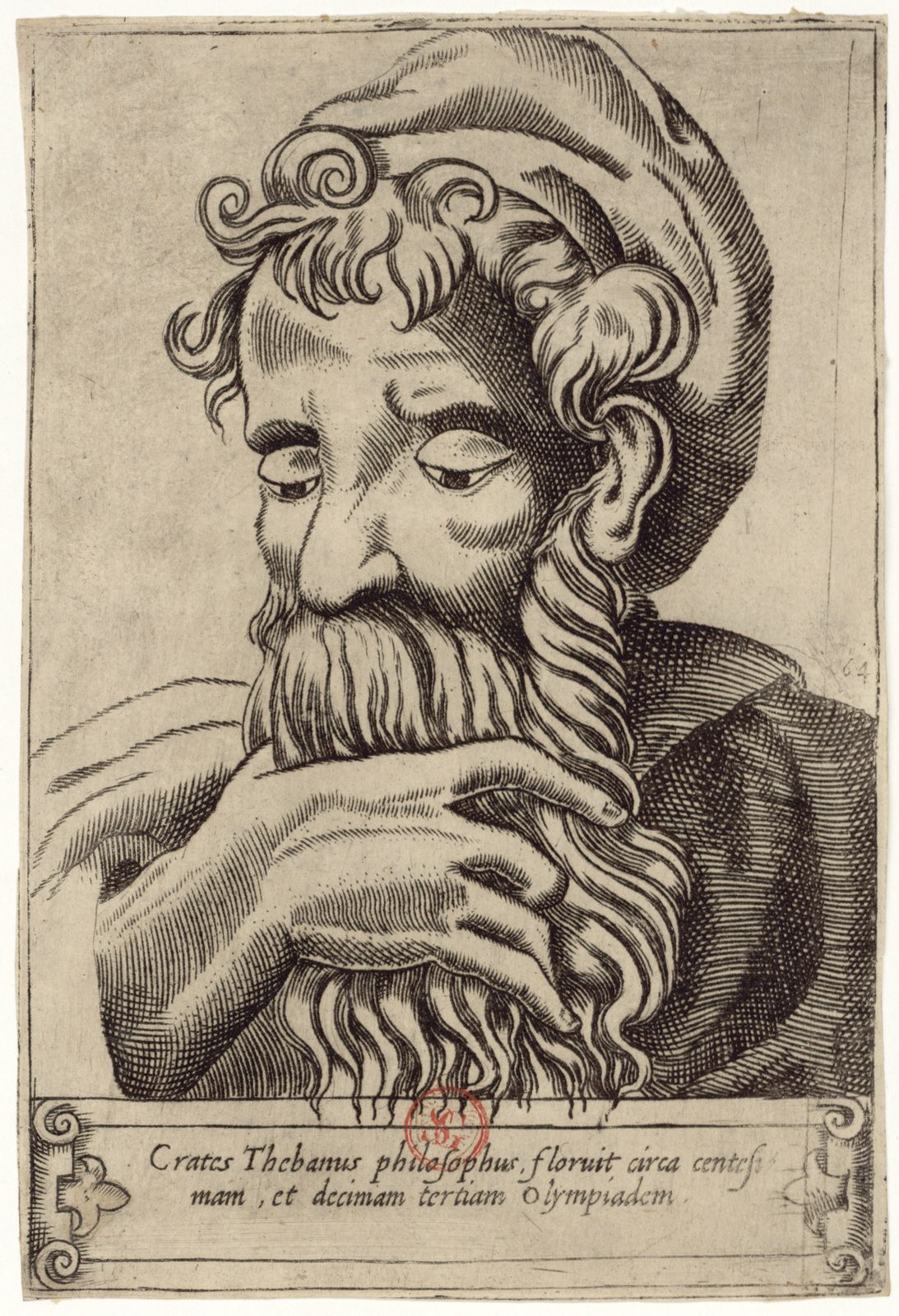
  • Crates Thebanus philosophus (Crates of Thebes), Unknown engraver

    Crates of Thebes

    The door-opener of Athens · c. 365–285 BC

    Cynic freedom worn lightly, with good humour.

Taoism
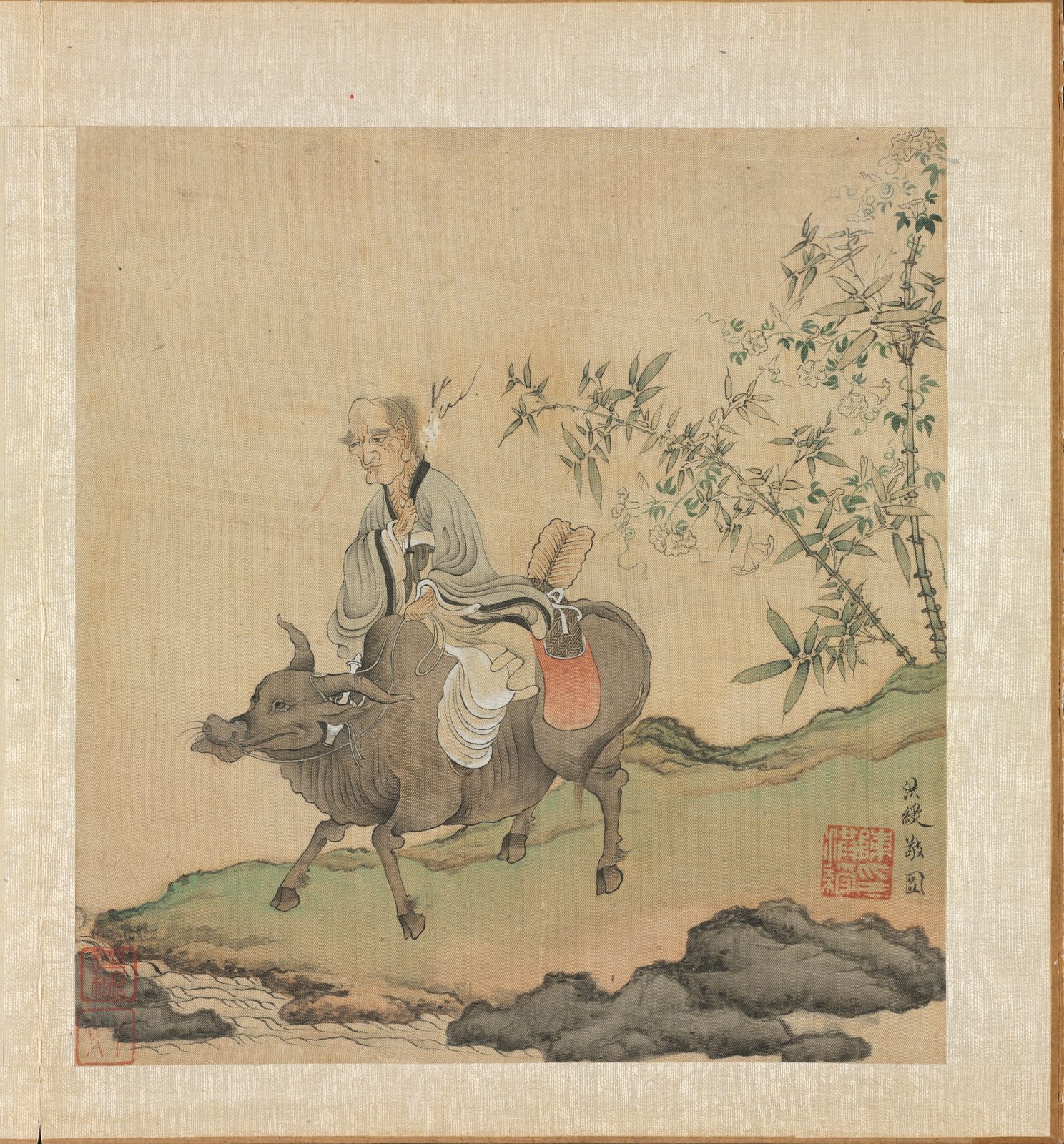
  • Laozi Riding an Ox (from Paintings after Ancient Masters), Chen Hongshou

    Laozi

    The old master at the pass · trad. 6th c. BC

    Softness, simplicity and the strength of water.

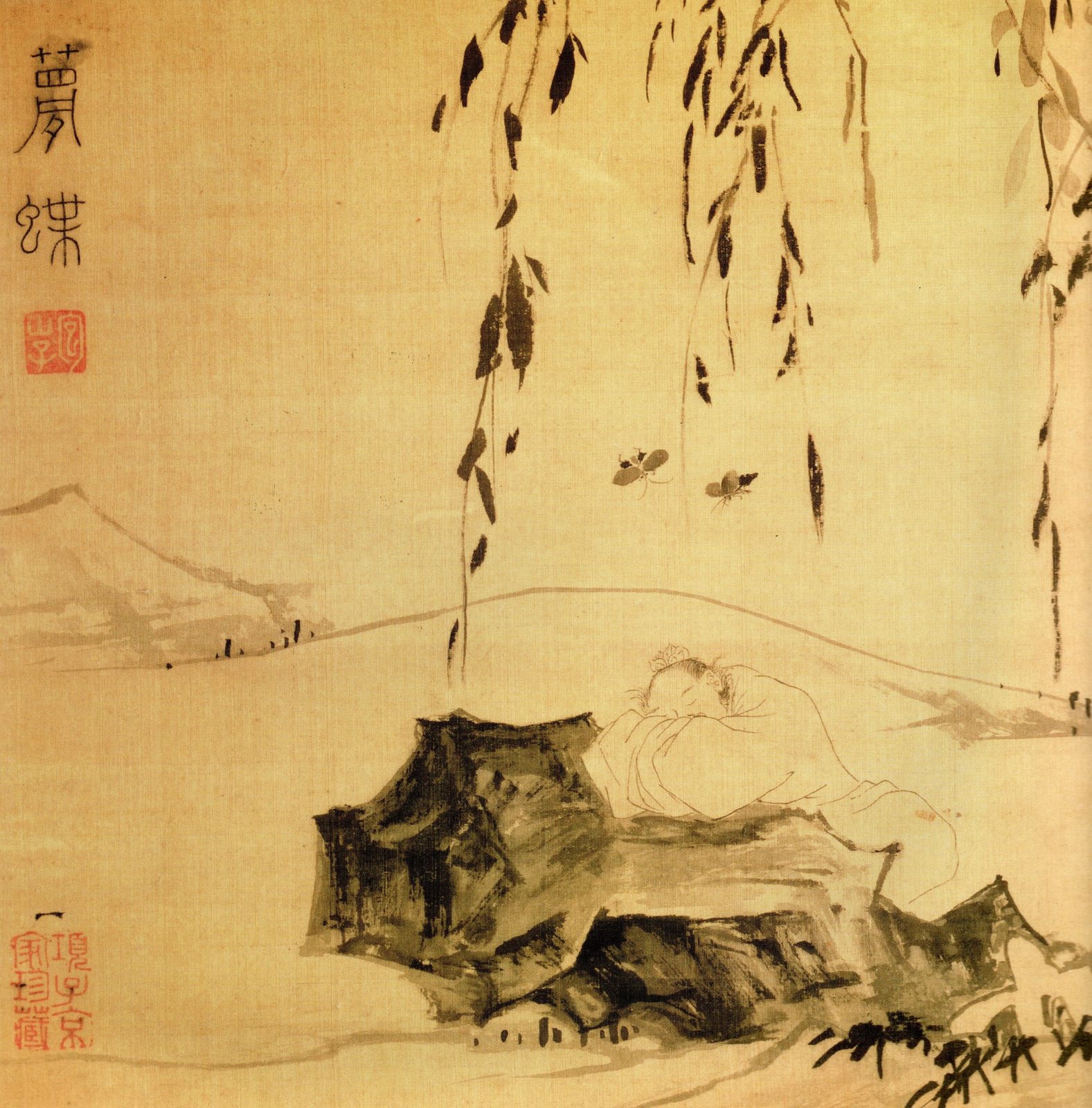
  • Zhuangzi Dreaming of a Butterfly, Lu Zhi

    Zhuangzi

    The butterfly dreamer who refused office · c. 369–286 BC

    Playful freedom and doubt about every fixed view.

Skepticism
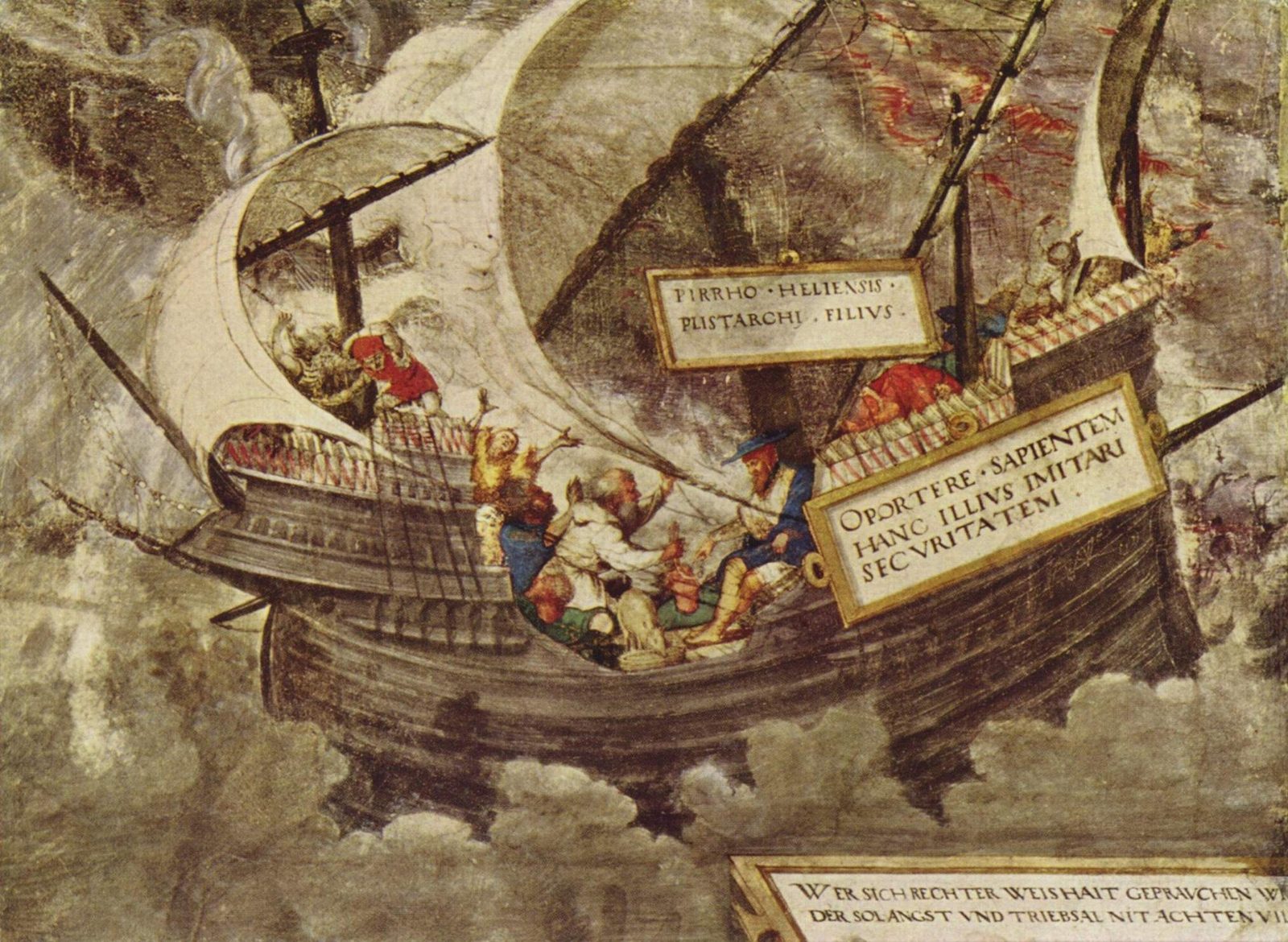
  • The Equanimity of Pyrrho in the Storm, Possibly Petrarcameister

    Pyrrho of Elis

    The painter who suspended judgment · c. 360–270 BC

    Peace through suspending judgment.

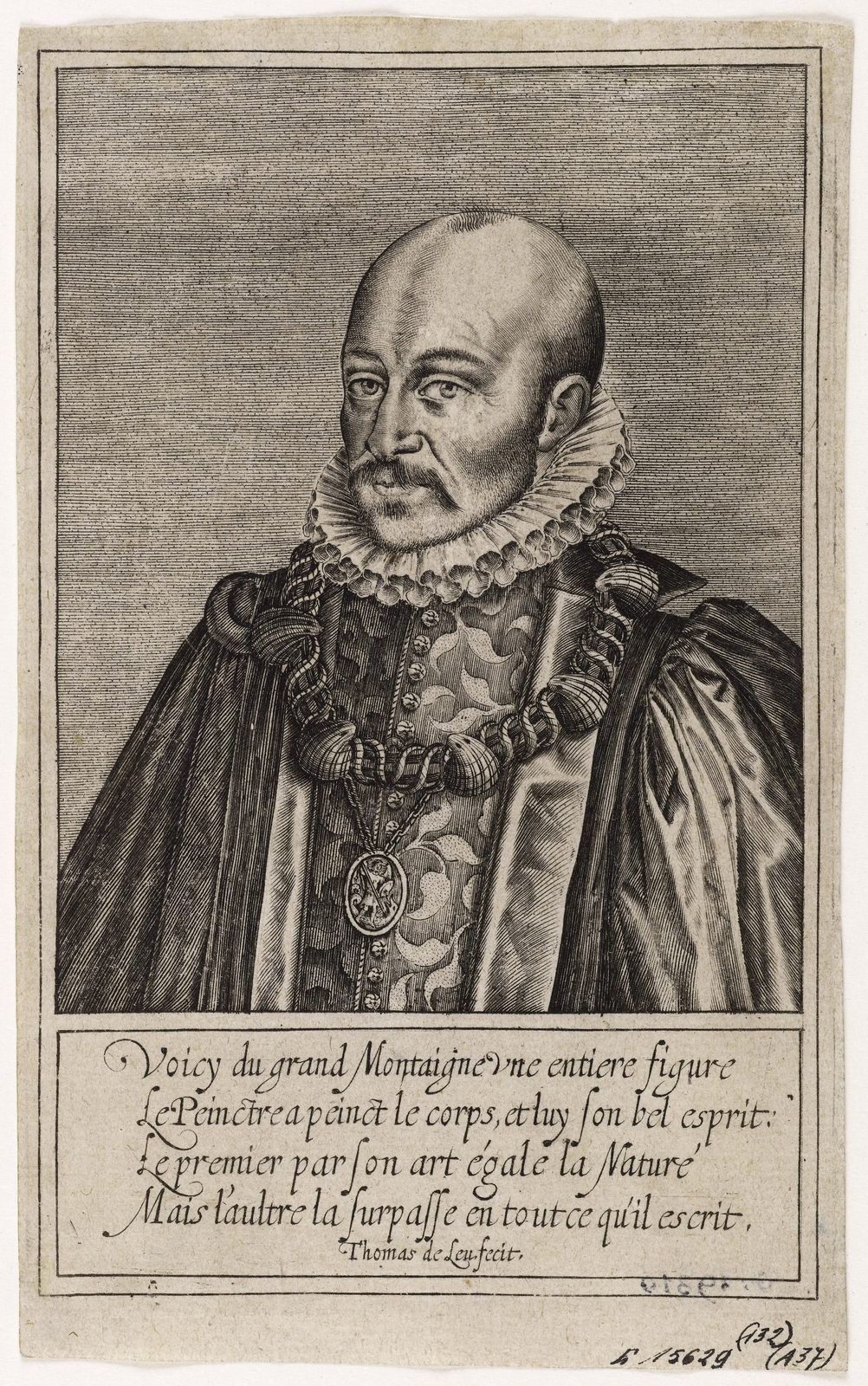
  • Portrait of Michel de Montaigne ("Voicy du grand Montaigne une entière figure"), Thomas de Leu

    Michel de Montaigne

    The man who essayed himself · 1533–1592

    Curious, humane doubt, and delight in ordinary life.
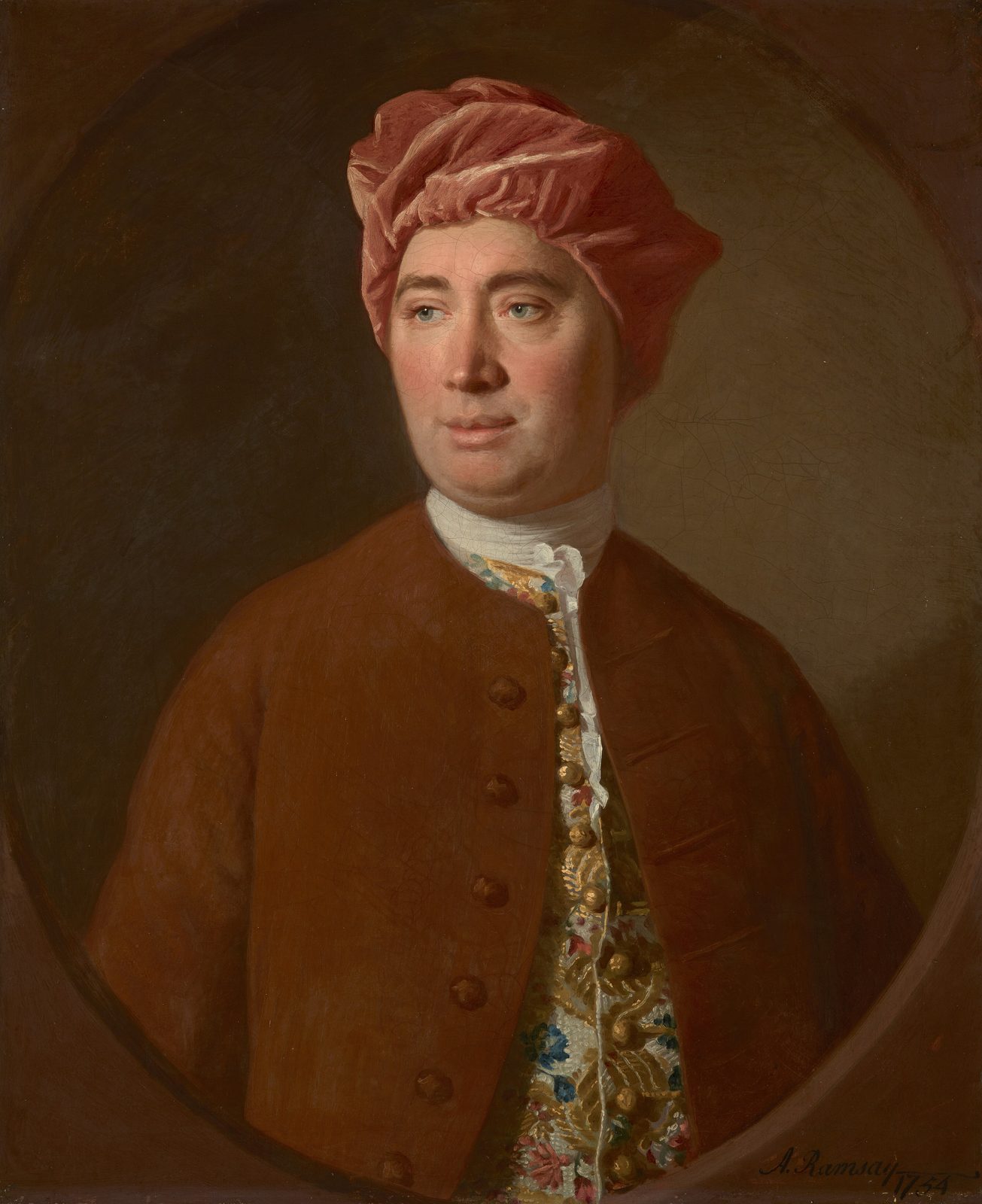
  • David Hume, Allan Ramsay

    David Hume

    The cheerful sceptic of Edinburgh · 1711–1776

    Sociable scepticism and trust in experience over theory.

Platonism
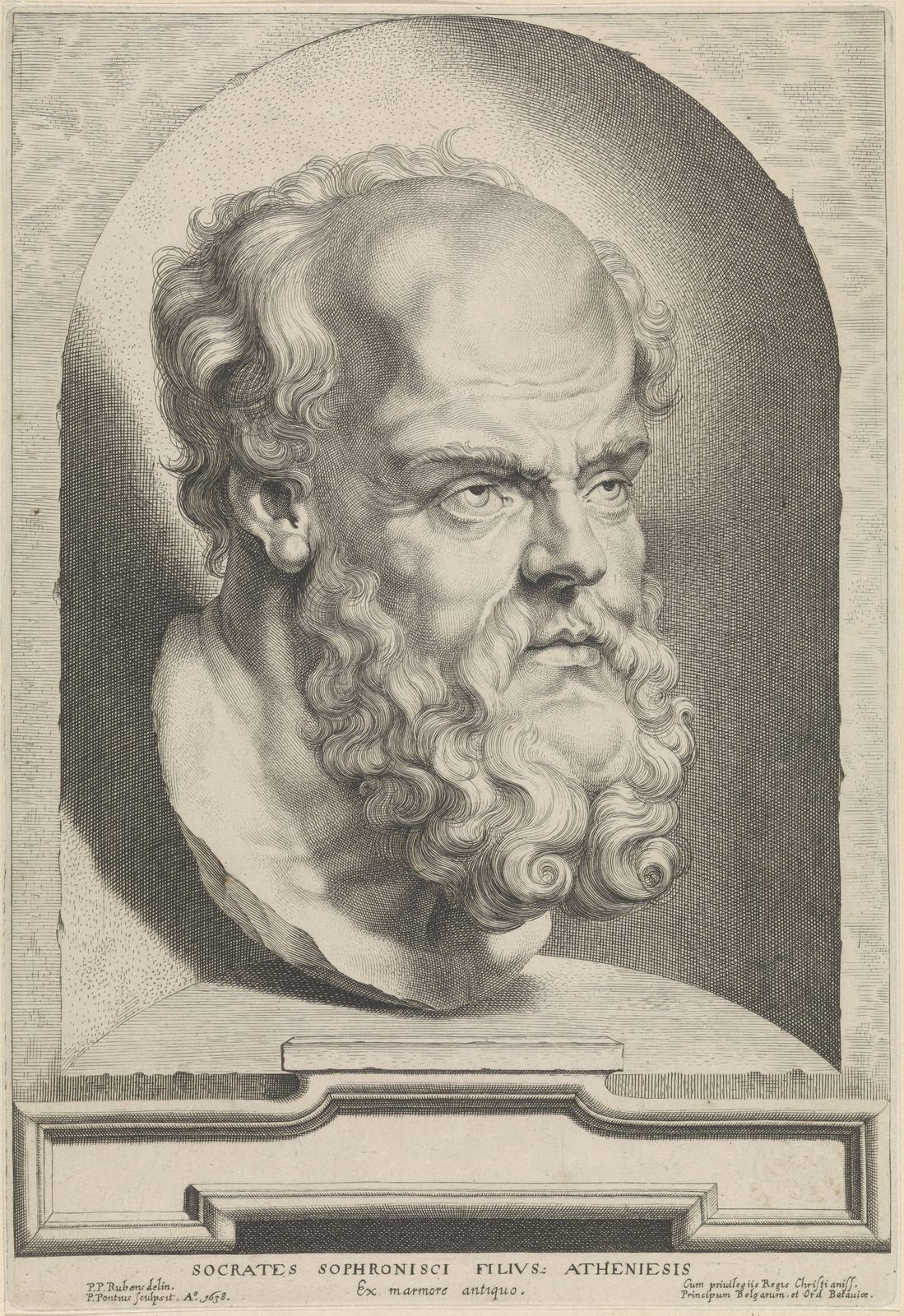
  • Antique bust of Socrates, Paulus Pontius, after Peter Paul Rubens

    Socrates

    The gadfly of Athens · c. 470–399 BC

    Relentless questioning in the service of the good.

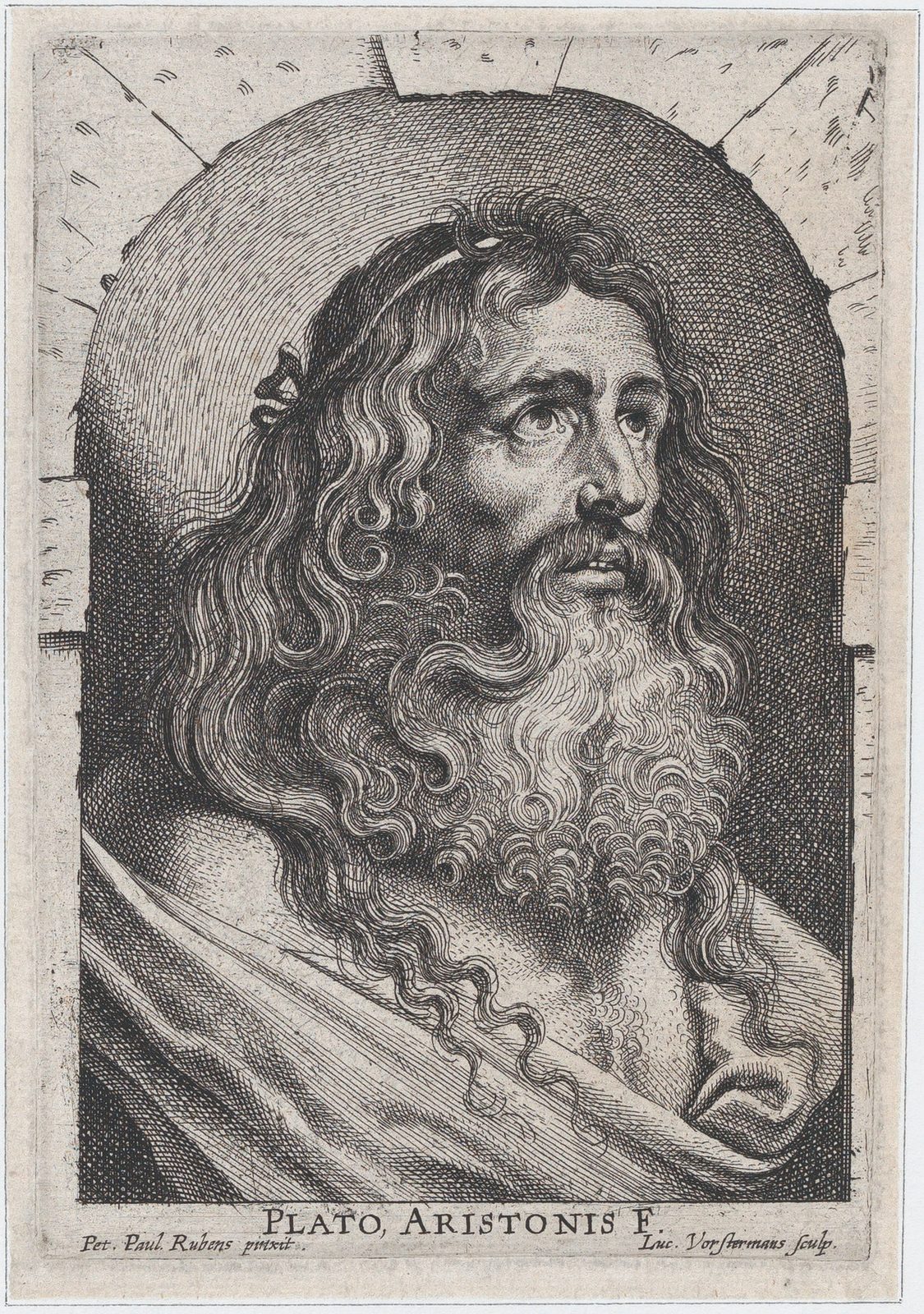
  • The bust of Plato, in a niche, Lucas Vorsterman I, after Peter Paul Rubens

    Plato

    The student who built the Academy · c. 428–348 BC

    The pursuit of eternal ideals behind the world of appearances.

Find your philosopher

31 situations · about 12 minutes · free result