What is Existentialism?
And are you an Existentialist?
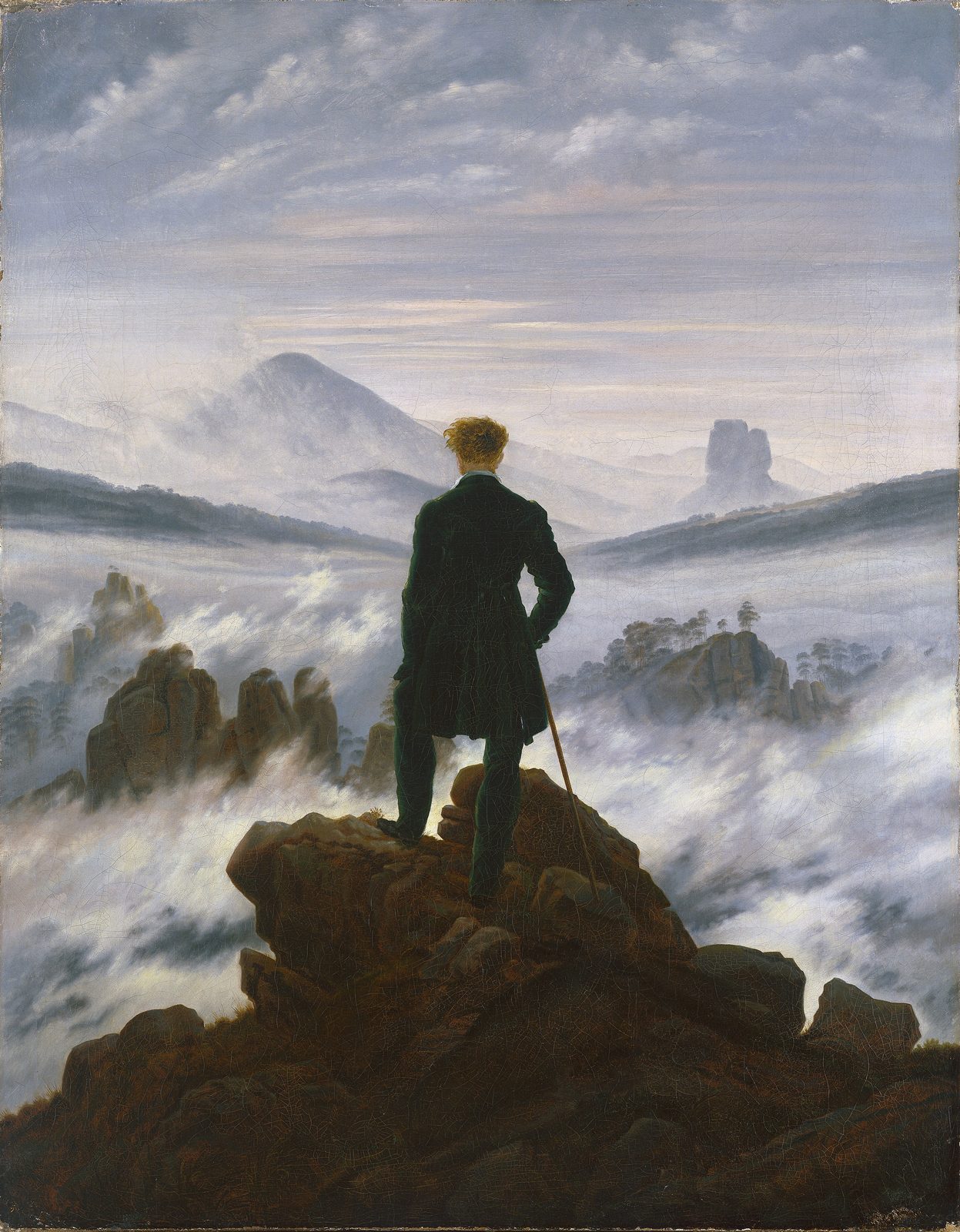
You refuse to live by a script someone else wrote. You decide who you are.
Existentialism is a modern movement, from Kierkegaard and Nietzsche in the 1800s to Sartre and de Beauvoir in the 1900s. Its core idea: life comes with no instructions, so you become who you are through your own choices.
Best-known voices: Sartre · de Beauvoir · Kierkegaard · Nietzsche.
Signs you might be an Existentialist
- Self-made meaning. You make your own meaning.
- Here and now. You are practical and live in the here and now.
- Intensity. You feel everything fully.
- Nature over custom. Rules must earn your respect; you do things your way.
- Will. You rely on discipline and effort.
- Committed project. You find meaning in a goal you commit to.
The Existentialist profile
The test measures nine traits. This chart shows where a typical Existentialist sits on each one: the further a point is from the centre, the more they lean toward the word printed there.
Where Existentialism comes from
Existentialism was never a school with a founder or a building. It is a family of thinkers who start from the concrete situation of a single person who must choose. Its roots are usually traced to the Danish writer Søren Kierkegaard, who in 1843 published Either/Or and Fear and Trembling in Copenhagen, insisting that truth must be lived, not only thought. Friedrich Nietzsche, writing in the 1880s, and the novelist Fyodor Dostoevsky are often counted as forerunners, though neither used the word.
The name itself belongs to post-war Paris. In the mid-1940s the label "existentialism" began to circulate, and Jean-Paul Sartre accepted it. His Being and Nothingness appeared in 1943, during the German occupation, and on 29 October 1945 he gave a packed public lecture, published as Existentialism Is a Humanism, that made the movement famous. Simone de Beauvoir wrote The Ethics of Ambiguity (1947) and The Second Sex (1949), turning existentialist ideas toward ethics and the situation of women. Martin Heidegger, whose Being and Time (1927) shaped them both, rejected the label.
By the 1960s structuralism had replaced existentialism as the fashion in French thought, and Sartre declined the Nobel Prize in 1964. When he died in 1980, tens of thousands of people followed his funeral procession through Paris. Today existentialism lives on in philosophy courses, novels and films, and in popular histories such as Sarah Bakewell's At the Existentialist Café (2016).
1843
Søren Kierkegaard publishes Either/Or and Fear and Trembling in Copenhagen.
1844
Kierkegaard's The Concept of Anxiety describes anxiety as the dizziness of freedom.
1882
Nietzsche's The Gay Science announces the death of God and asks how humans will create values.
1927
Martin Heidegger publishes Being and Time, a major influence on later existentialists.
1943
Jean-Paul Sartre publishes Being and Nothingness in occupied Paris.
1945
Sartre's lecture Existentialism Is a Humanism, given in Paris on 29 October, makes the movement famous.
1949
Simone de Beauvoir publishes The Second Sex, two years after The Ethics of Ambiguity.
1964
Sartre declines the Nobel Prize in Literature, refusing to become an institution.
1980
Sartre dies; tens of thousands follow his funeral procession through Paris.
Key Existentialist thinkers
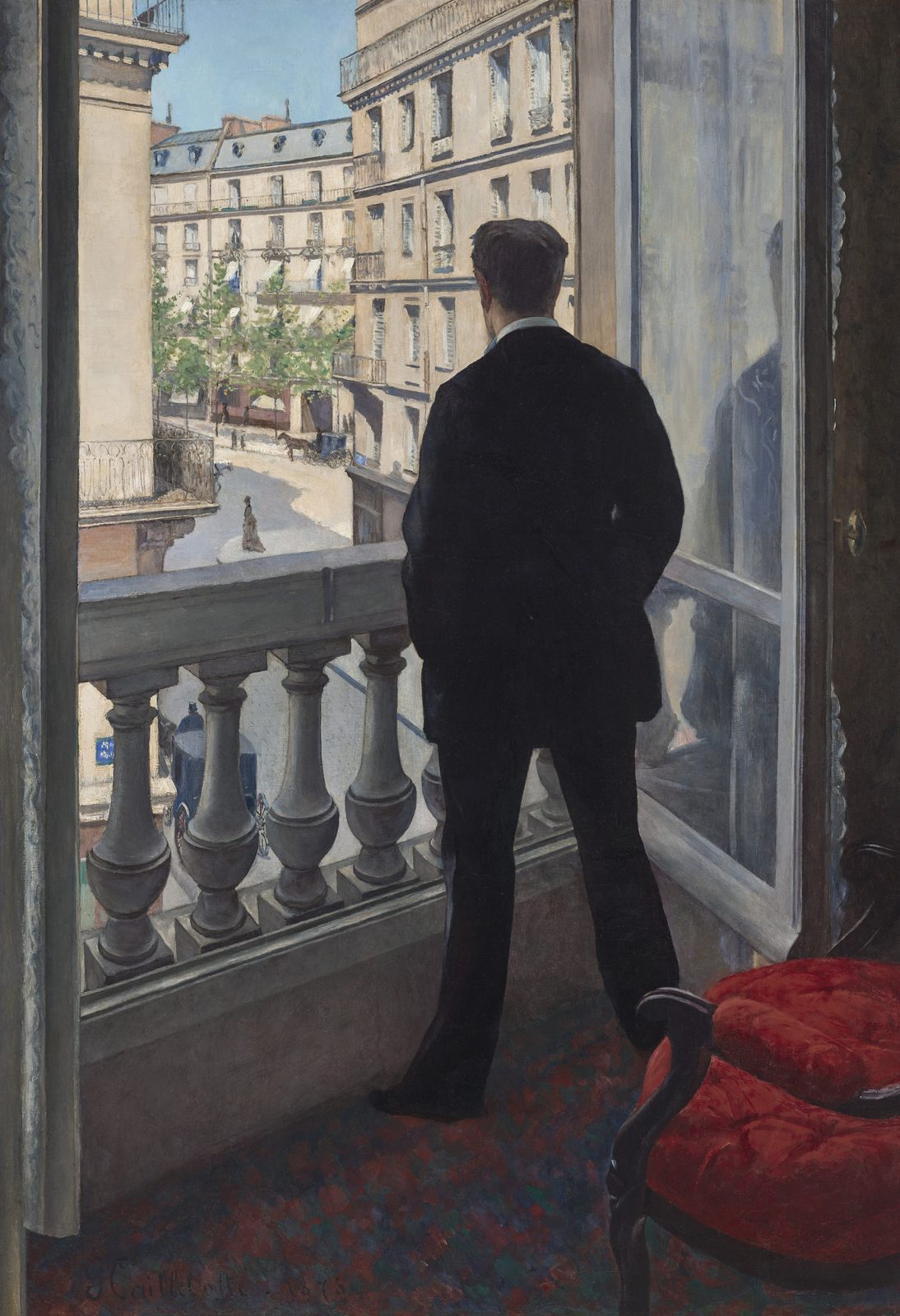
Jean-Paul Sartre
The philosopher who refused the Nobel · 1905–1980
Radical freedom, and full responsibility for it.

Simone de Beauvoir
The philosopher of shared freedom · 1908–1986
Freedom that refuses to stop at yourself.
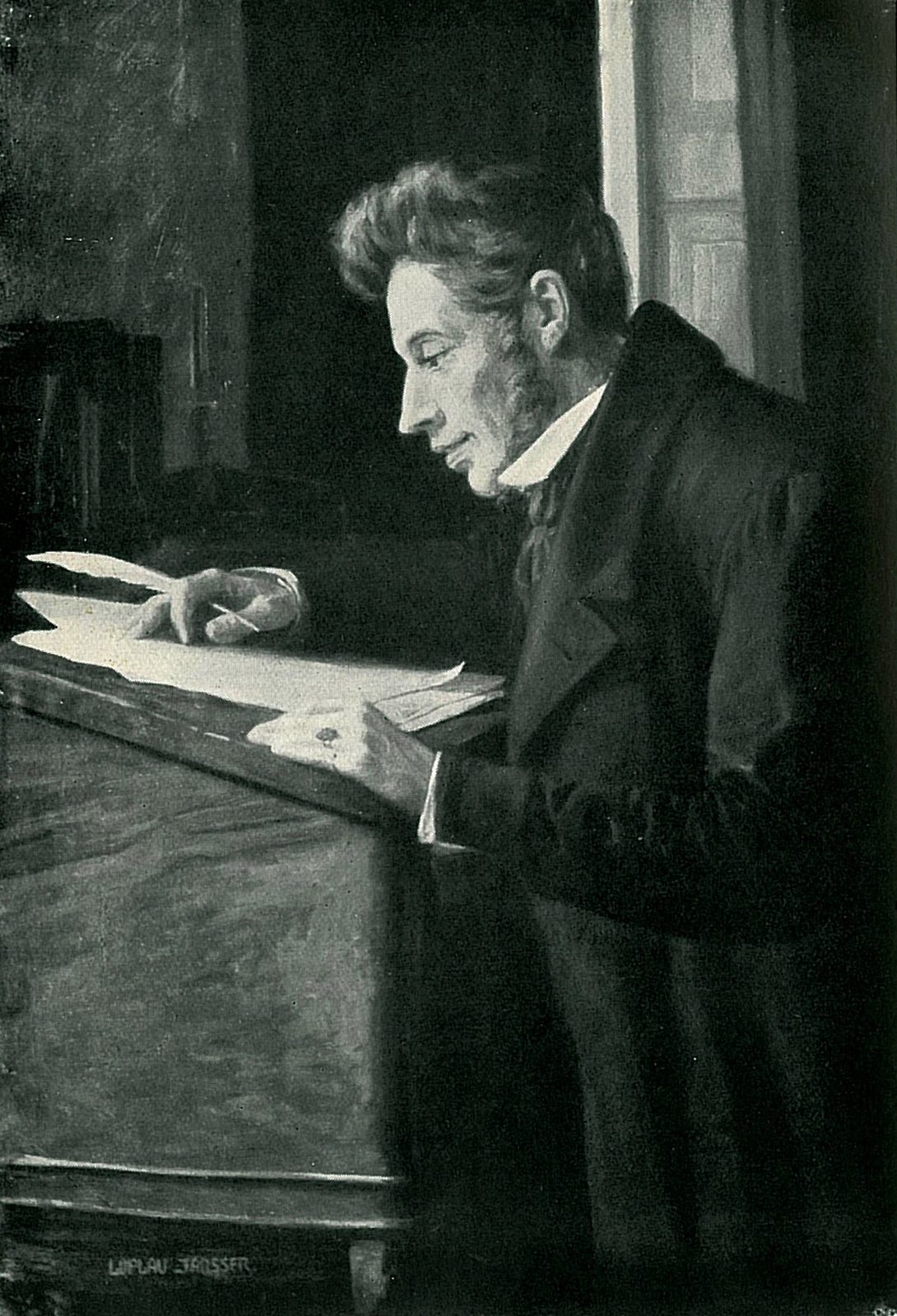
Søren Kierkegaard
The Dane who wrote in disguise · 1813–1855
Passionate inwardness and the leap of commitment.
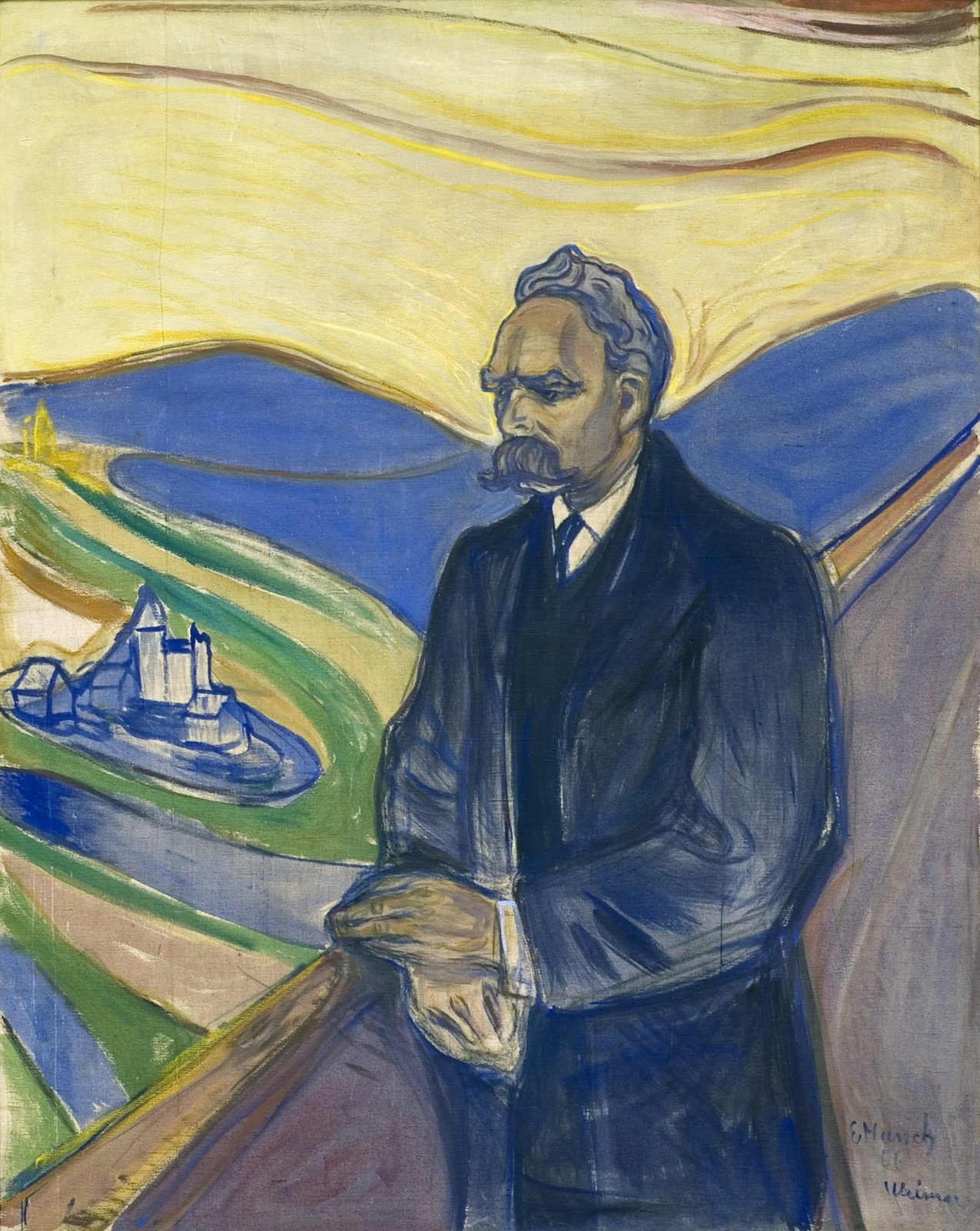
Friedrich Nietzsche
The philosopher with a hammer · 1844–1900
Saying yes to life, including its pain.
Close to Existentialism
- Cynicism
You live by your own rules, need very little, and say what other people only think.
- Absurdism
You know life makes no promises, and you live it fully anyway, with a wry smile.
31 situations · about 12 minutes · free result