What is Stoicism?
And are you a Stoic?
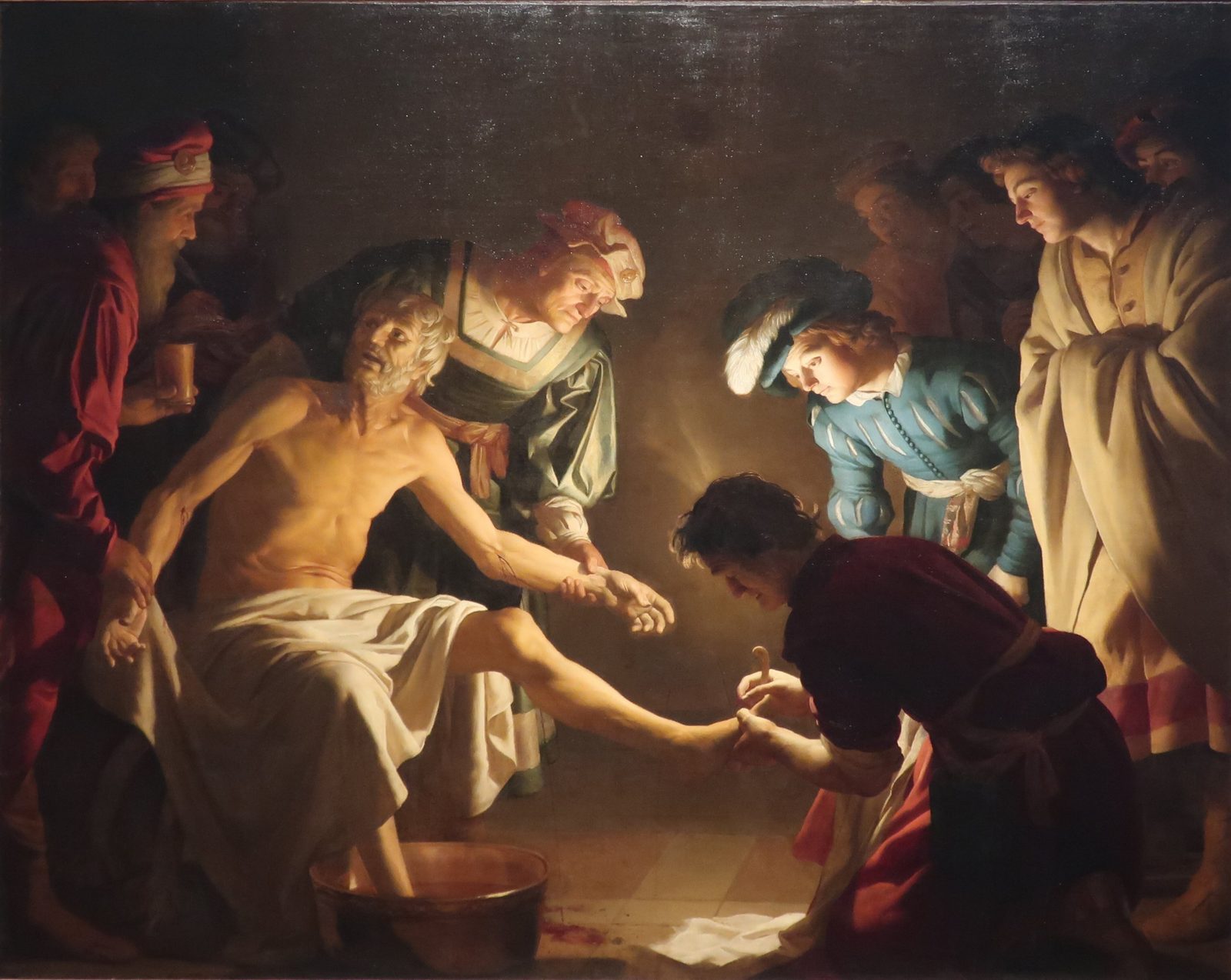
You stay steady when life gets hard, and you put your energy only into what you can control.
Stoicism began in Athens around 300 BC. Its best-known voices are Seneca, Epictetus and the Roman emperor Marcus Aurelius. It is a practical philosophy for staying calm, fair and strong whatever happens.
Best-known voices: Marcus Aurelius · Epictetus · Seneca.
Signs you might be a Stoic
- Cosmic order. Life has a bigger pattern or purpose.
- Virtue. Doing the right thing comes first, even when it costs you.
- Will. You rely on discipline and effort.
- Engagement. You step up for your community.
The Stoic profile
The test measures nine traits. This chart shows where a typical Stoic sits on each one: the further a point is from the centre, the more they lean toward the word printed there.
Where Stoicism comes from
Stoicism began in Athens around 300 BC, when Zeno of Citium, a merchant from Cyprus who had studied with the Cynic Crates, started teaching in the Stoa Poikile, the Painted Porch beside the Agora. The school took its name from that public colonnade, not from a temple or a private garden. Zeno's successors Cleanthes and especially Chrysippus turned his teaching into a full system of logic, physics and ethics. Almost all of Chrysippus's many books are lost, so much of what we know comes from later writers.
The second turning point was Rome. In 155 BC the Stoic Diogenes of Babylon came to the city on an Athenian embassy, and over the next two centuries Stoicism became the philosophy of many Roman statesmen. The Stoics most people read today all belong to this Roman period: Seneca, adviser to Nero, who was forced to take his own life in AD 65; Epictetus, a former slave who taught at Nicopolis in Greece; and the emperor Marcus Aurelius, who wrote his private Meditations around AD 170 to 180.
After antiquity, Stoic ideas passed into Christian thought and resurfaced in Justus Lipsius's De Constantia of 1584, which launched a Renaissance "Neostoicism". Today the school survives less as an institution than as a practice. Translations of Marcus and Epictetus sell widely, and since 2012 the annual Stoic Week, begun by academics at the University of Exeter, has invited ordinary readers to try living like a Stoic for seven days.
c. 300 BC
Zeno of Citium begins teaching in the Stoa Poikile, the Painted Porch, in Athens.
c. 230 BC
Chrysippus becomes head of the school and builds Stoicism into a complete system of logic, physics and ethics.
155 BC
Diogenes of Babylon visits Rome on an Athenian embassy, helping introduce Stoic ideas to the Roman elite.
AD 65
Seneca, author of the Letters to Lucilius, is forced by Nero to take his own life.
c. AD 89–95
Expelled from Rome under Domitian, Epictetus opens his school at Nicopolis; his student Arrian later records the Discourses.
c. AD 170–180
Marcus Aurelius writes the Meditations, much of it while on military campaign along the Danube frontier.
1584
Justus Lipsius publishes De Constantia, launching Neostoicism in Renaissance Europe.
2012
The first Stoic Week, organised by academics at the University of Exeter, invites the public to practise Stoicism.
Key Stoic thinkers
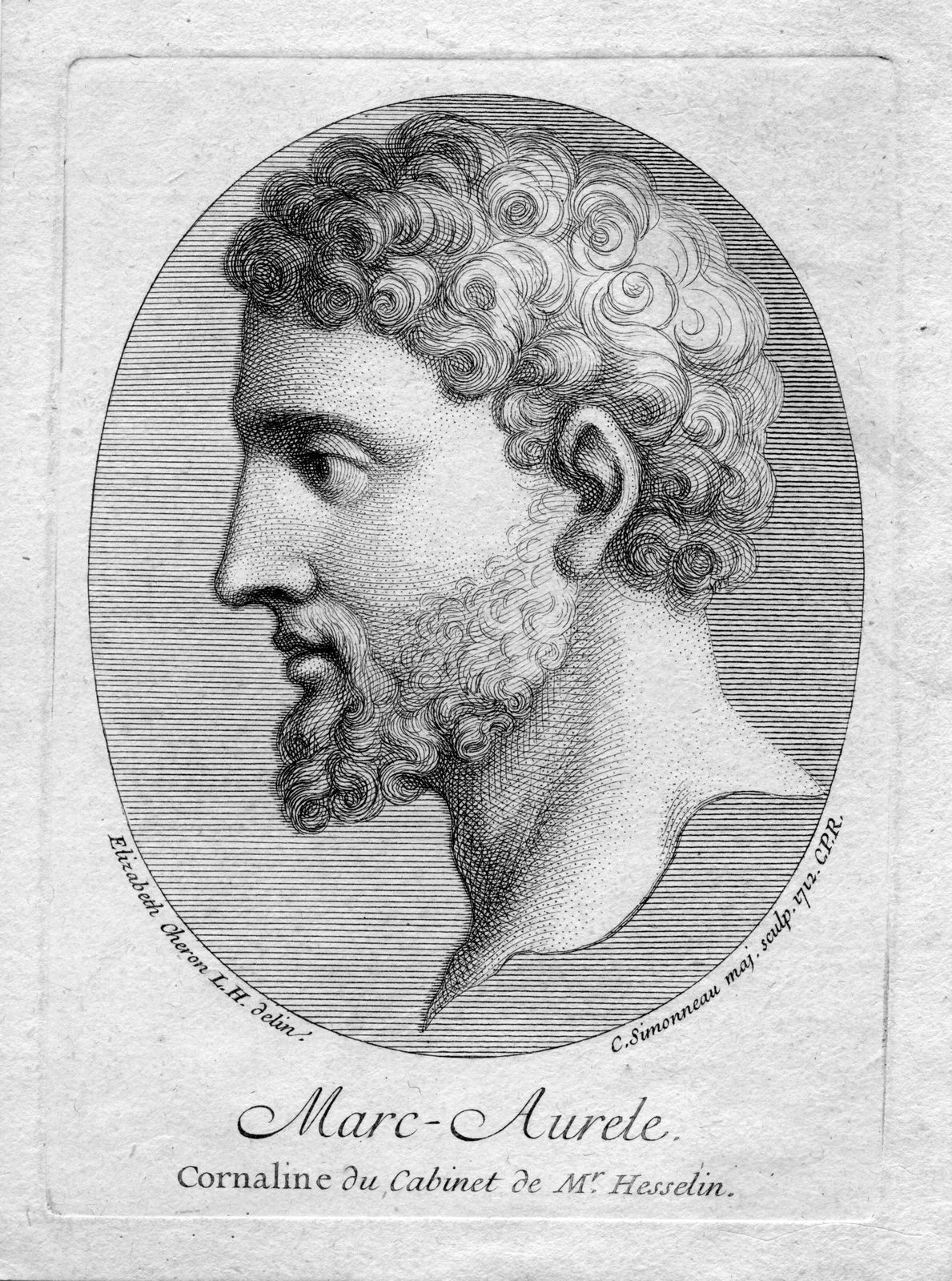
Marcus Aurelius
The emperor who wrote to himself · 121–180
Duty without complaint, calm under the heaviest pressure.
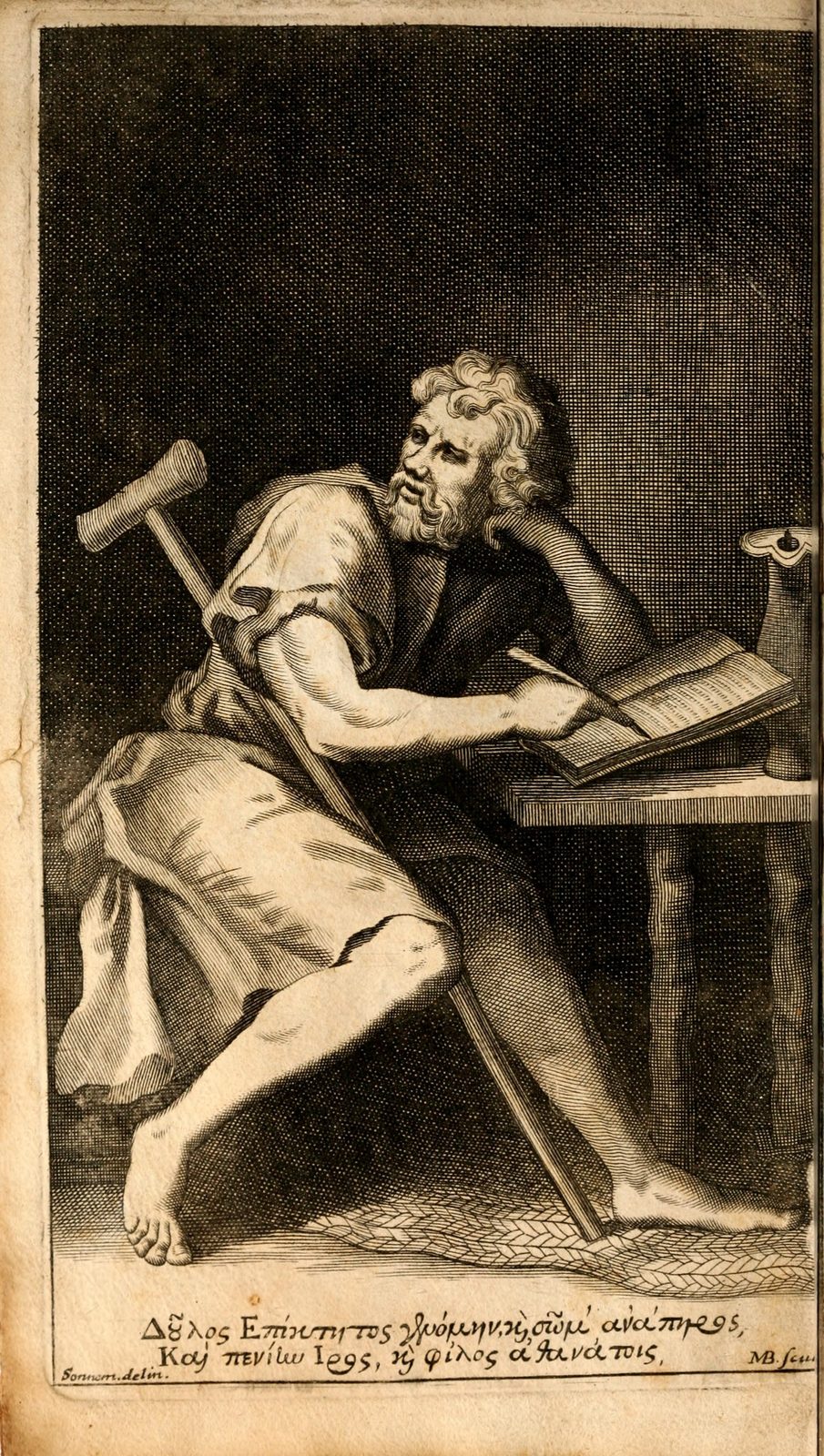
Epictetus
The slave who taught freedom · c. 50–135
Total focus on what is up to you, and nothing else.
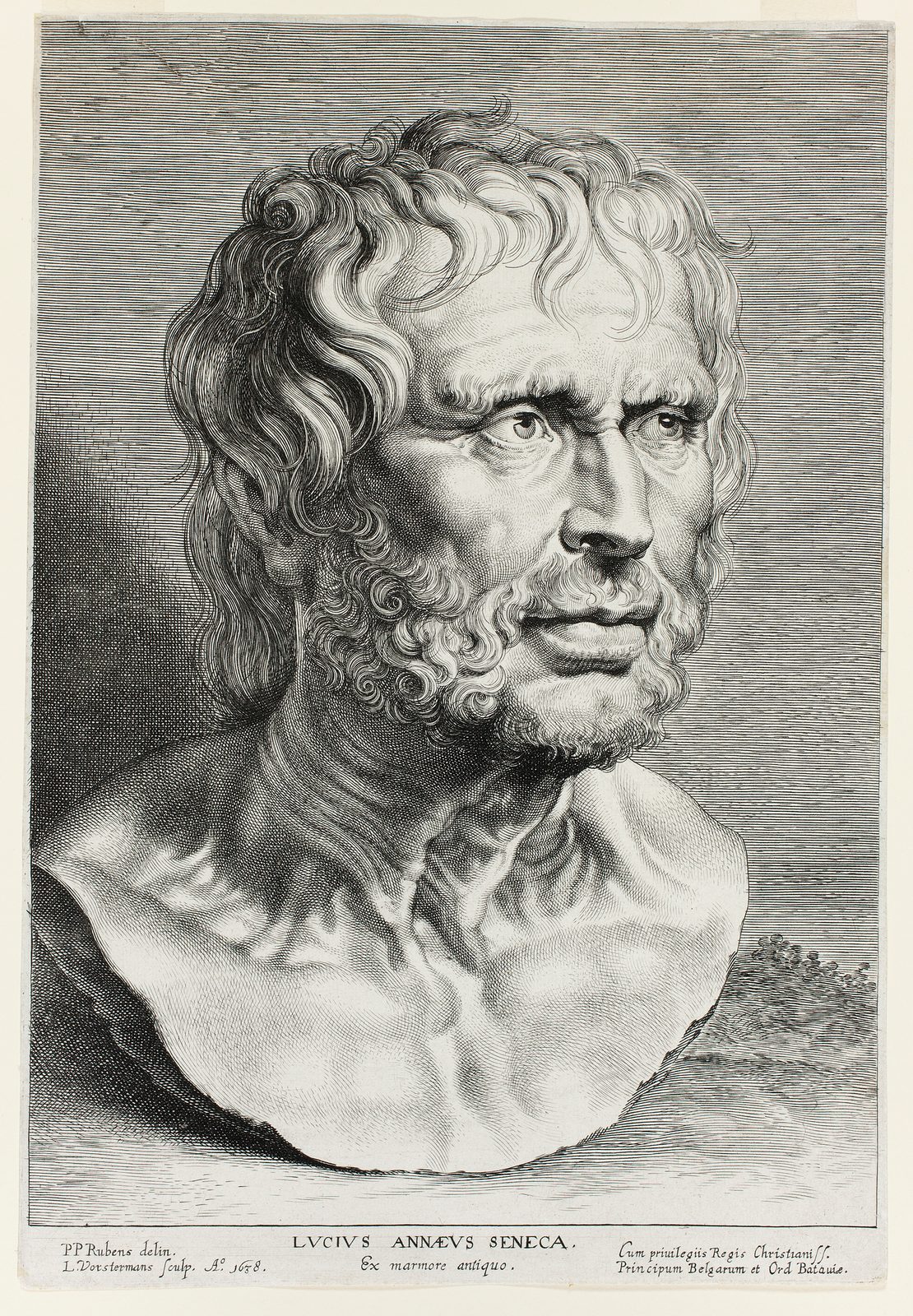
Seneca
The philosopher at Nero's side · c. 4 BC–65 AD
Stoic ideals lived in a messy, worldly life.
Close to Stoicism
- Platonism
You believe some things are truly good and true, and you keep reaching for them.
- Cynicism
You live by your own rules, need very little, and say what other people only think.
31 situations · about 12 minutes · free result