What is Platonism?
And are you a Platonist?
You believe some things are truly good and true, and you keep reaching for them.
Platonism follows Plato (about 428 to 348 BC), the student of Socrates. It holds that truth, goodness and beauty are real, and that a good life is spent understanding them and living by them.
Best-known voices: Socrates · Plato.
Signs you might be a Platonist
- Cosmic order. Life has a bigger pattern or purpose.
- Confidence. Careful thinking finds real answers.
- Transcendent ideal. You reach for ideals and the best version of things.
- Virtue. Doing the right thing comes first, even when it costs you.
- Engagement. You step up for your community.
The Platonist profile
The test measures nine traits. This chart shows where a typical Platonist sits on each one: the further a point is from the centre, the more they lean toward the word printed there.
Where Platonism comes from
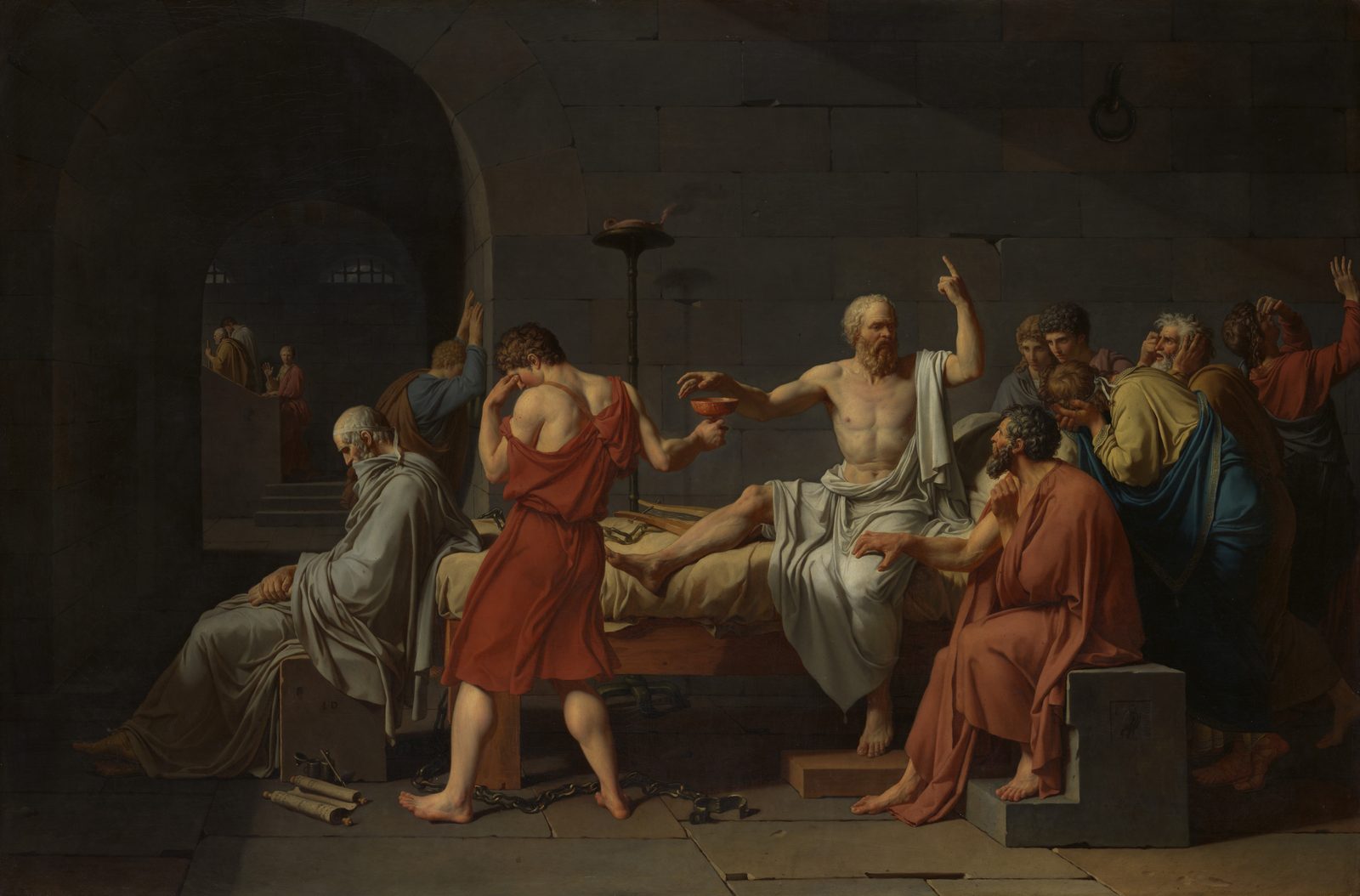
Platonism begins with a death. In 399 BC Athens tried and executed Socrates for impiety and corrupting the young. His student Plato, then in his late twenties, spent the rest of his life writing dialogues in which Socrates questions people about justice, courage, love and knowledge. Around 387 BC Plato founded the Academy, in a grove sacred to the hero Akademos outside Athens, often called the first institution of higher learning in the West. Aristotle studied there for twenty years.
The Academy carried on after Plato's death in 347 BC, turned skeptical in the third century BC, and lost its grove when the Roman general Sulla besieged Athens in 86 BC. Platonism itself kept evolving. From AD 244 Plotinus taught in Rome, giving Plato's ideas a new mystical form later called Neoplatonism, which deeply influenced Christian, Jewish and Islamic thinkers. In AD 529 an edict of Emperor Justinian is traditionally taken as the end of pagan philosophy teaching in Athens.
In Renaissance Florence, Marsilio Ficino, supported by the Medici family, translated all of Plato into Latin; the translation was printed in 1484 and carried the dialogues across Europe. In 1929 Alfred North Whitehead wrote that the European philosophical tradition consists of "a series of footnotes to Plato". Today Platonism survives in debates about whether numbers and moral truths are real, and in anyone who believes the good is something to be discovered, not invented.
399 BC
Socrates is tried and executed in Athens, events Plato records in the Apology and the Phaedo.
c. 387 BC
Plato founds the Academy in a grove outside Athens.
c. 375 BC
Approximate date of the Republic, with its allegory of the cave.
347 BC
Plato dies in Athens; his nephew Speusippus succeeds him as head of the Academy.
86 BC
The Roman general Sulla besieges Athens and cuts down the trees of the Academy's grove.
AD 244
Plotinus begins teaching in Rome, founding what later scholars call Neoplatonism.
AD 529
An edict of Emperor Justinian is traditionally taken to end pagan philosophy teaching in Athens.
1484
Marsilio Ficino's Latin translation of Plato's complete works is printed in Florence.
1929
Alfred North Whitehead calls European philosophy 'a series of footnotes to Plato'.
Key Platonist thinkers
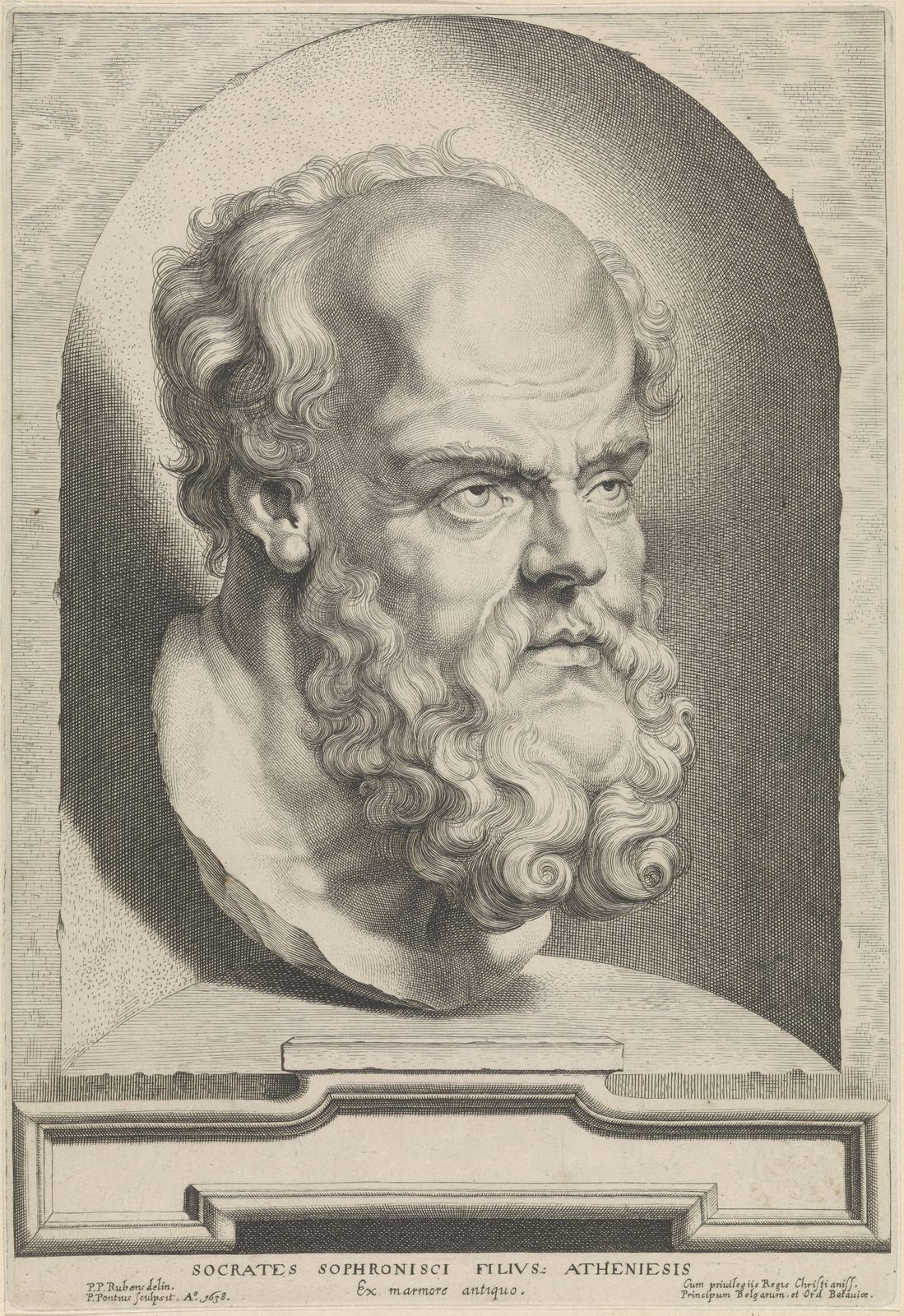
Socrates
The gadfly of Athens · c. 470–399 BC
Relentless questioning in the service of the good.

Plato
The student who built the Academy · c. 428–348 BC
The pursuit of eternal ideals behind the world of appearances.
Close to Platonism
- Stoicism
You stay steady when life gets hard, and you put your energy only into what you can control.
- Cynicism
You live by your own rules, need very little, and say what other people only think.
31 situations · about 12 minutes · free result