What is Skepticism?
And are you a Skeptic?
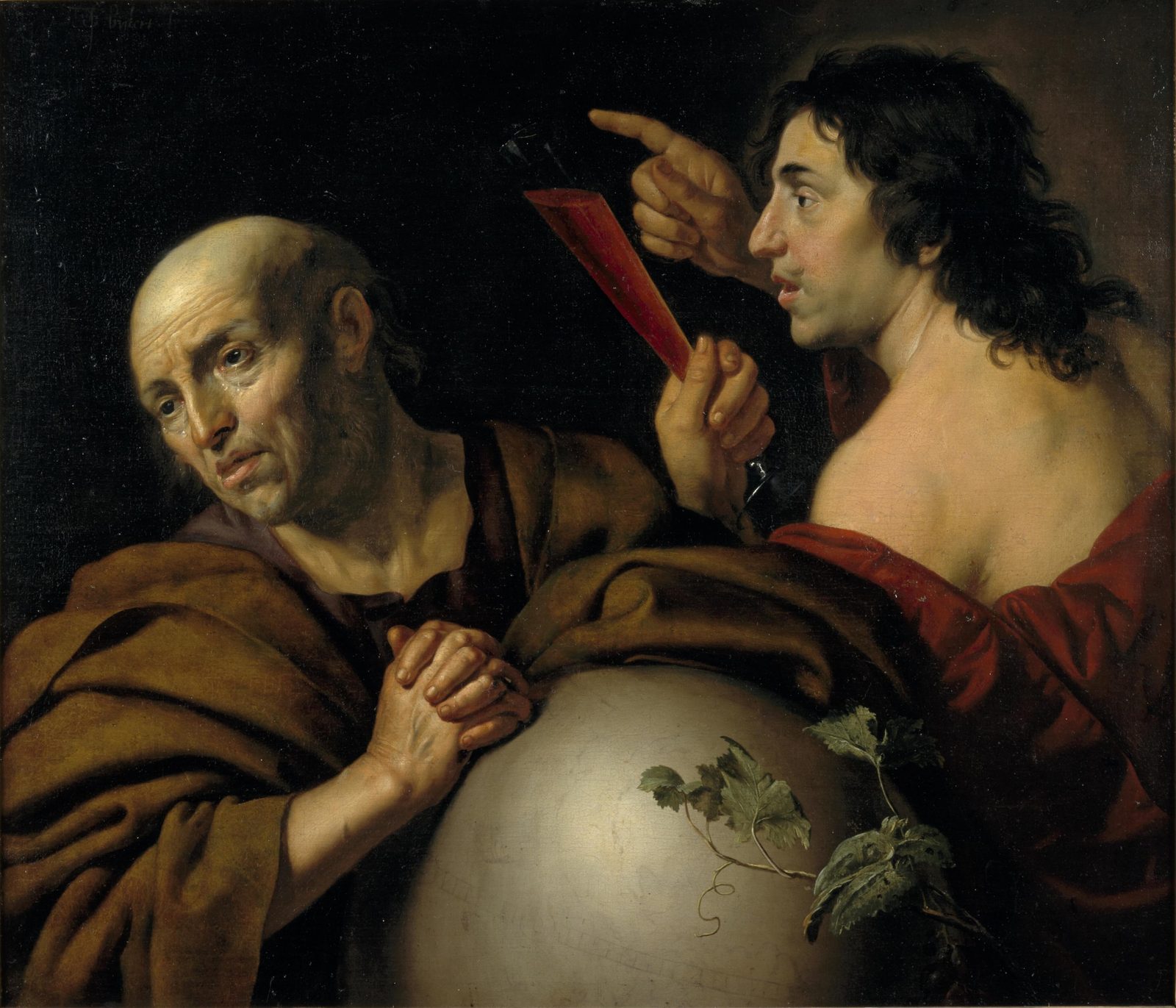
You question everything, hold your opinions lightly, and you are very hard to fool.
Skepticism began with Pyrrho of Elis in ancient Greece and returned centuries later with Montaigne and Hume. It teaches that peace of mind comes from not clinging too tightly to any belief.
Best-known voices: Pyrrho · Montaigne · Hume.
Signs you might be a Skeptic
- Suspension. You hold your views lightly and doubt.
- Tranquil pleasure. Peace of mind comes first.
- Equanimity. You stay calm and even.
- Respect for custom. You respect customs and manners.
- Withdrawal. You prefer a quiet, private life.
The Skeptic profile
The test measures nine traits. This chart shows where a typical Skeptic sits on each one: the further a point is from the centre, the more they lean toward the word printed there.
Where Skepticism comes from
Western skepticism has two ancient branches. The first traces back to Pyrrho of Elis (c. 360 to 270 BC), who travelled with Alexander the Great's army as far as India and came home teaching that we cannot know the inner nature of things, and that suspending judgment brings tranquillity. Pyrrho wrote nothing; we know him mainly through his student Timon of Phlius. Meanwhile, from around 265 BC, Plato's own Academy turned skeptical under Arcesilaus and later Carneades, arguing against every dogmatic claim, especially those of the Stoics.
In the first century BC, Aenesidemus broke away to revive Pyrrhonism, and the tradition reached its fullest surviving form around AD 200 in the works of Sextus Empiricus, a Greek physician whose Outlines of Pyrrhonism sets out the "modes" for suspending judgment. For more than a thousand years Sextus was barely read in the Latin West. Then in 1562 Henri Estienne published a Latin translation of the Outlines, and skepticism flooded into European thought.
Its most charming heir was Michel de Montaigne, who in 1571 retired to the tower library of his château in the Périgord, had sayings from Sextus and others painted on its beams, and in 1580 published the first books of his Essays, asking "What do I know?" In Scotland, David Hume's Treatise of Human Nature (1739 to 1740) and his Enquiry (1748) argued that custom, not reason, underlies much of what we believe, and recommended a "mitigated" skepticism. Today the tradition lives on in philosophy of knowledge and in any habit of careful doubt.
c. 334–324 BC
Pyrrho of Elis travels with Alexander the Great's army as far as India.
c. 265 BC
Arcesilaus becomes head of Plato's Academy and turns it toward skepticism.
155 BC
On an embassy to Rome, Carneades argues for justice one day and against it the next.
1st c. BC
Aenesidemus revives Pyrrhonism and sets out the Ten Modes for suspending judgment.
c. AD 200
Sextus Empiricus writes Outlines of Pyrrhonism, the fullest surviving account of ancient skepticism.
1562
Henri Estienne publishes a Latin translation of the Outlines, bringing Sextus to Renaissance Europe.
1580
Montaigne publishes the first edition of his Essays, including the skeptical 'Apology for Raymond Sebond'.
1739–1740
David Hume publishes A Treatise of Human Nature, questioning how reason supports everyday beliefs.
1748
Hume's Enquiry Concerning Human Understanding recommends a moderate, 'mitigated' skepticism.
Key Skeptic thinkers
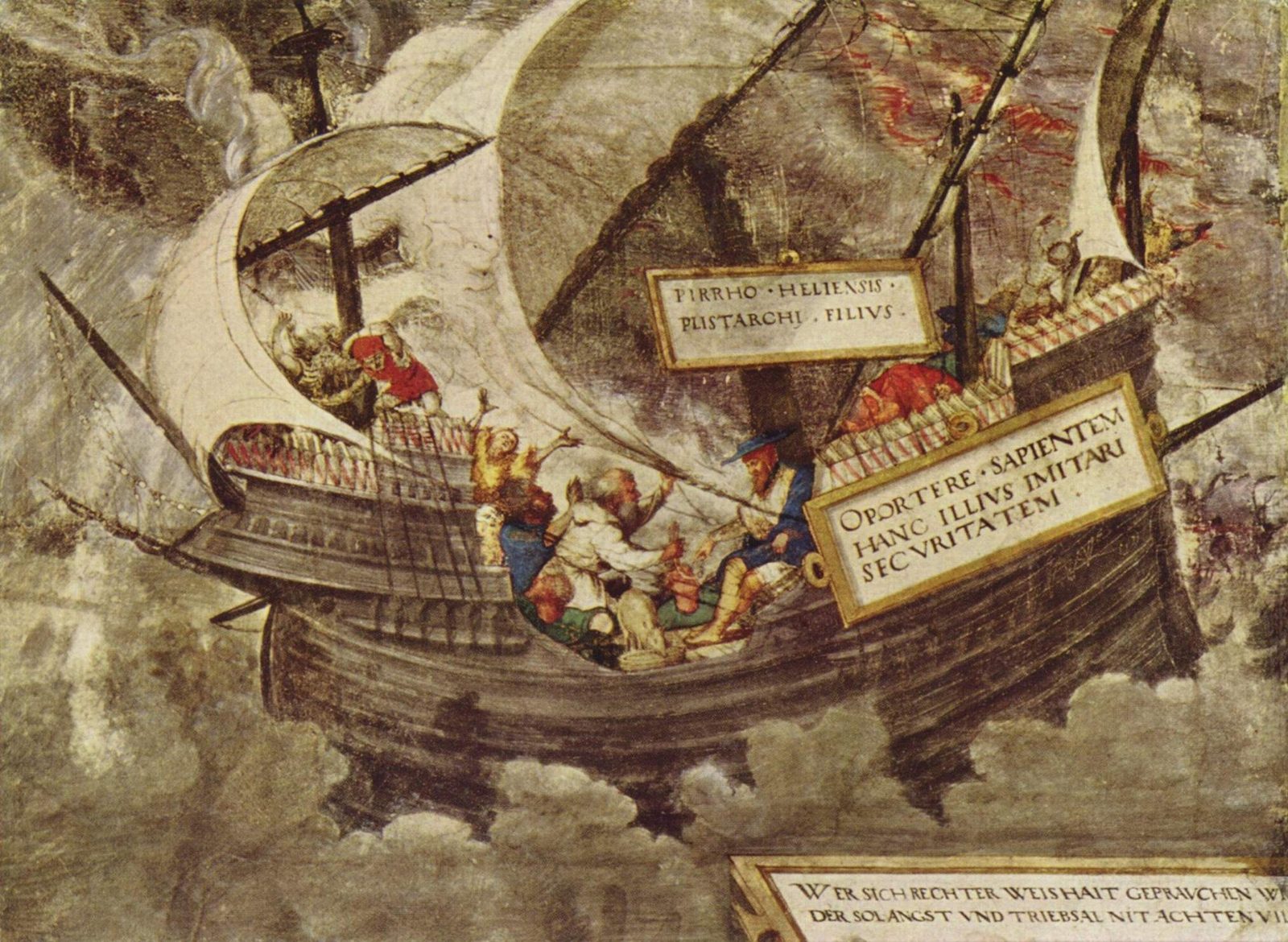
Pyrrho of Elis
The painter who suspended judgment · c. 360–270 BC
Peace through suspending judgment.
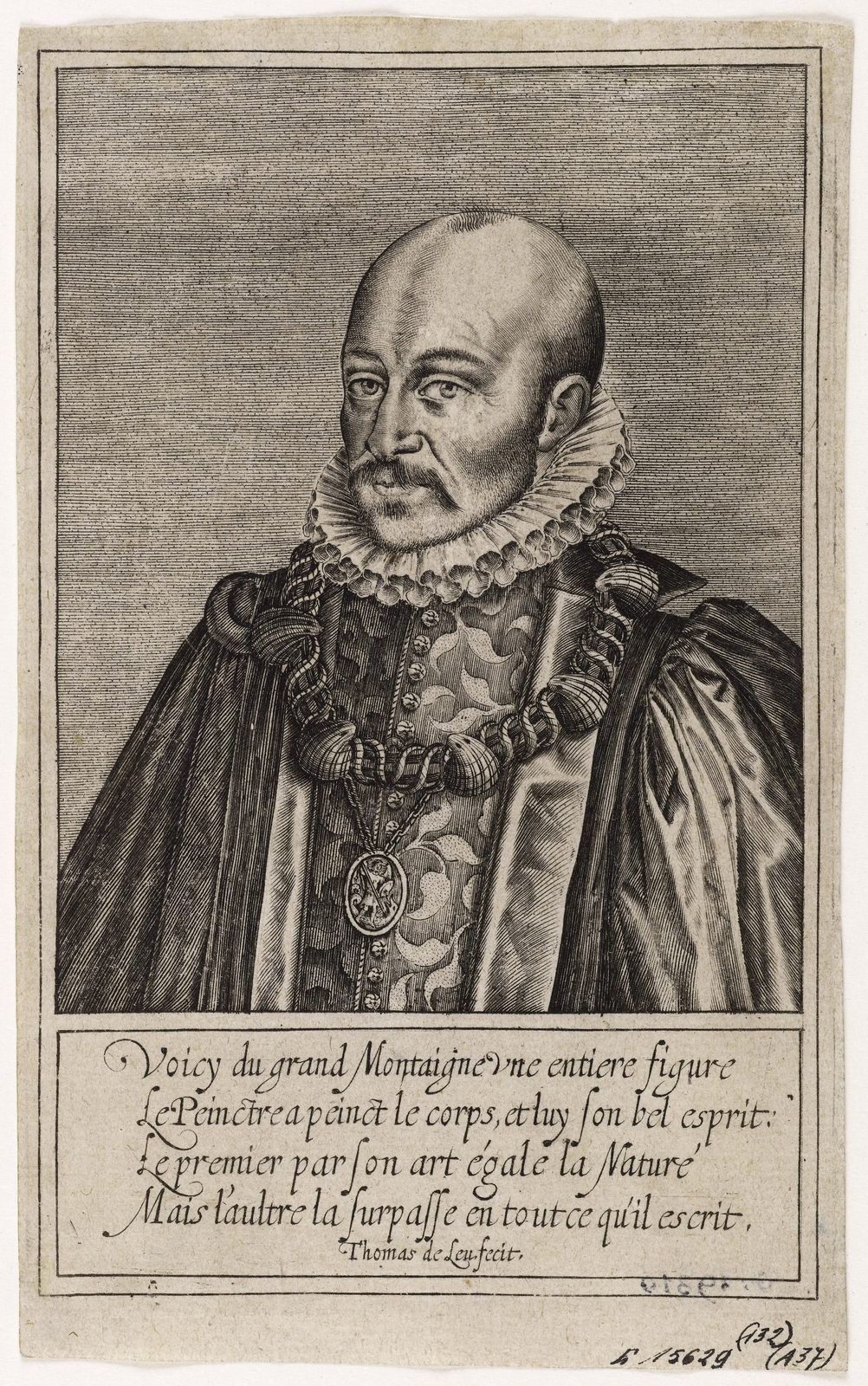
Michel de Montaigne
The man who essayed himself · 1533–1592
Curious, humane doubt, and delight in ordinary life.
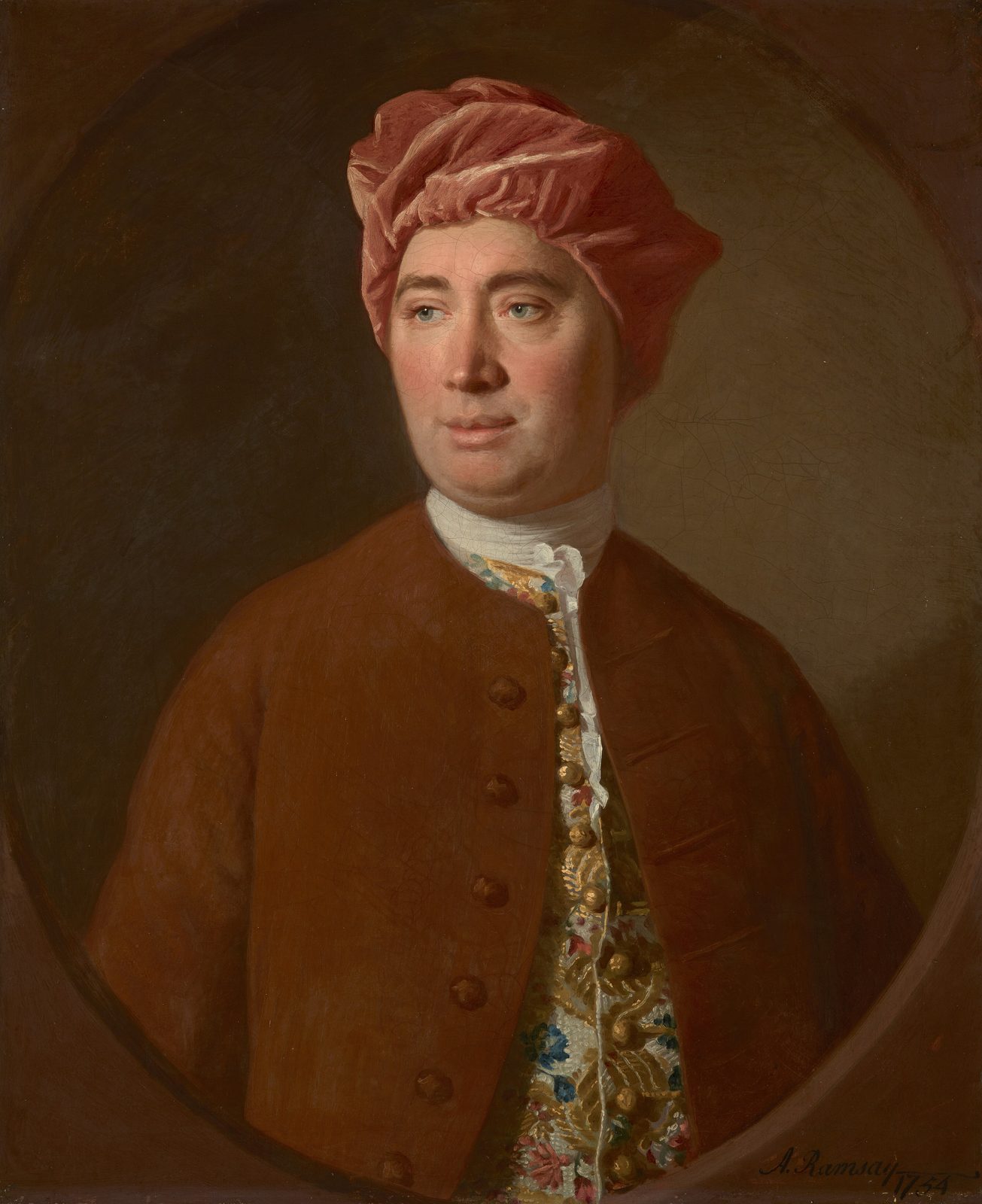
David Hume
The cheerful sceptic of Edinburgh · 1711–1776
Sociable scepticism and trust in experience over theory.
Close to Skepticism
- Epicureanism
You know that real happiness is quiet: good friends, simple pleasures and a mind at peace.
- Taoism
You go with the flow, you don't force things, and somehow they tend to work out.
31 situations · about 12 minutes · free result